
Heute sind wir in einem bedeutenden Teil des UNESCO Welterbes der Lübecker Altstadt, in der Großen Petersgrube für die Lübeck ZWISCHENZEILEN unterwegs, um einmal in die architektonische Vergangenheit der Stadt einzutauchen, der Musikhochschule Lübeck einen kurzen Besuch abzustatten und schließlich um die Ecke an der Obertrave eine Pause zu machen. Los geht’s!
The first buildings erected in the Große Petersgrube in the 12th century were purely warehouses. The merchants lived on their ships. Later, so-called "Hangelgeschosse" (meeting floors) were added, where the merchants' servants lived. The restored facades of this unique street represent almost all the architectural styles that were built in Lübeck.
Style guide for beginners
Wir starten unterhalb von St. Petri, die ab 1227 als romanische Basilika erbaut wurde, und folgen der Straße Richtung Obertrave. Romanische Gebäude erkennst du z.B. an den Rundbogen der Fenster und Friese. In Lübeck gibt es keine im Original erhaltenen Bauteile oder Gebäude dieser Stilrichtung. Die Nordfassade der Löwen-Apotheke, die wir jüngst besucht haben, ist jedoch nach dem 2. Weltkrieg im romanischen Stil wiederaufgebaut worden. Und am Dom findest du das – ebenfalls wiederaufgebaute – Paradies. Gut zu erkennen sind dort romanische Details wie z. B. horizontale und gestaffelte Rundbogenfriese, Rosetten und Schlüssellochbögen.
Der gotische Baustil kam mit den auf den Handelsrouten durch Europa reisenden Kaufleuten nach Lübeck. Der elegante Stil der gotischen Kathedralen in und um Paris gefiel ihnen ausnehmend gut. Die in die Höhe strebenden Linien, steilen Dächer, die Fenster mit den Spitzbogen wirkten leicht und luftig. St. Marien ist übrigens DAS Beispiel für eine gotische Backsteinkirche. Beauftragt und finanziert von Lübecker Kaufleutefamilien. Im oberen Teil der Großen Petersgrube gibt es schöne Beispiele für Profangebäude, die Merkmale der Gotik auszeichnen, z. B. das Haus Nr. 7 mit seinem spitzbogigen Portal. Die Dielenfenster im Obergeschoss befinden sich in stichbogigen Blendnischen. Das Haus Nr. 15 weist einen gotischen Giebel auf. Einen solchen Treppengiebel siehst du auch weiter unten in der Straße an Haus Nr. 25, einem ehemaligen Dielenhaus, an dessen Fassade mit roten und schwarz-glasierten Backsteinen du gotische Spitzbögen entdecken kann. Weil die Grundstücke in Lübeck meist eher tief als breit waren, hatten die Bauherren nur die schmale zur Straße gewandte Fassade, um Reichtum und ihren Sinn für moderne Trends zur Schau zu stellen. Wenn du hinter die Fassade schaust, wirst du feststellen, dass sich hinter den oberen Fenstern häufig gar keine Zimmer befinden. Manchmal zeigte man schon damals mehr als man eigentlich hatte! Die Zeit der Gotik dauerte übrigens von ca. 1220–1500.
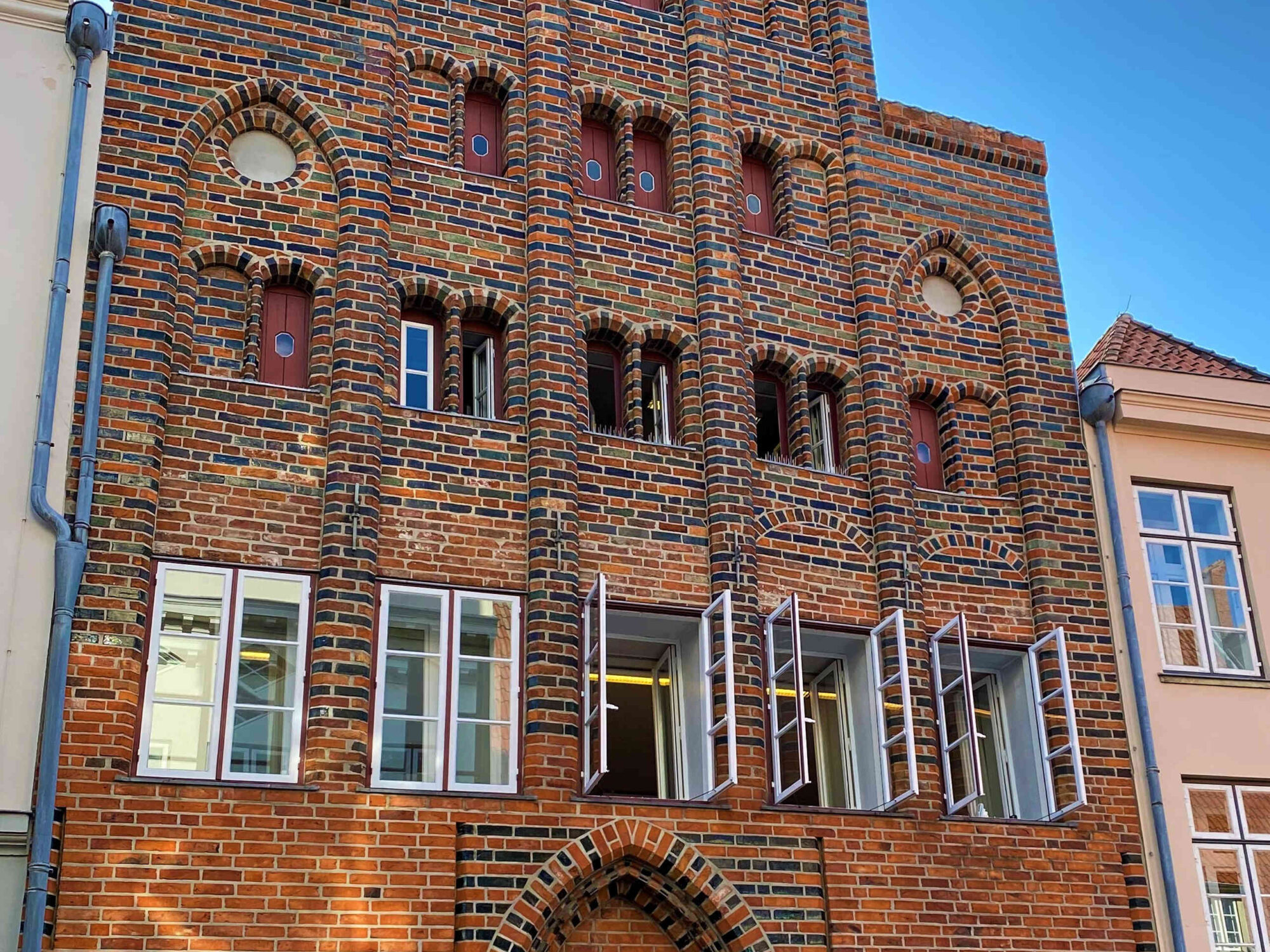
Der sich an die Gotik anschließende Stil der Renaissance ist erkennbar an den Gebaüden Nr. 4 und Nr. 10. Typisch für diese Periode waren horizontale Gliederungen, Rundbogen, Obelisken und Voluten. Die Renaissance kannst du zeitlich etwa von 1500-1650 einordnen.
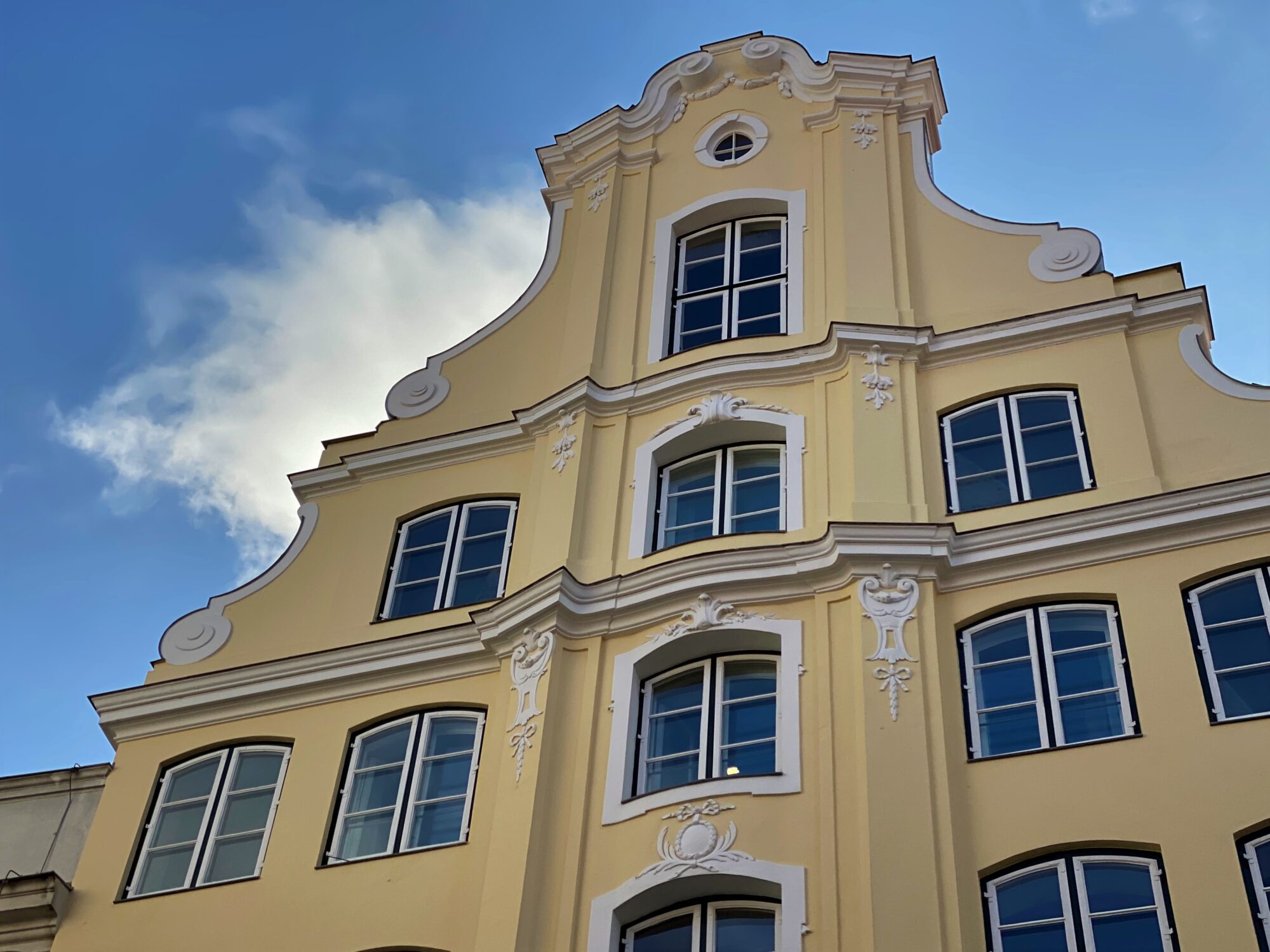
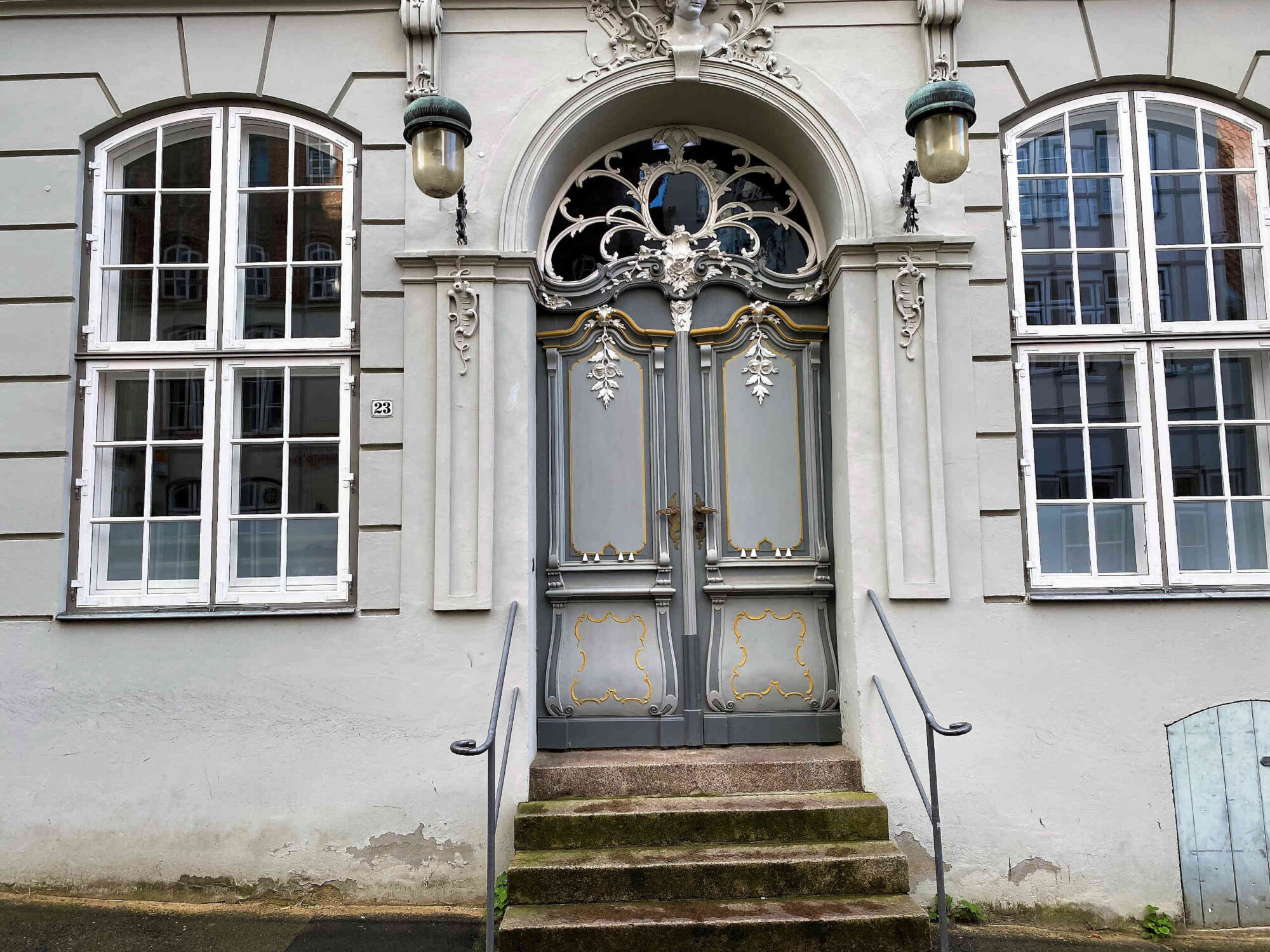
In Barock und Rokoko zwischen 1650 und 1770 verschwanden quasi die geraden Linien. Überall reiche Ornamente und viel Stuck. Das Haus Nr. 9 ist dem Barockstil zuzuordnen, der in Lübeck nur rund 50 Jahre eine Rolle spielte. Charakteristisch sind die Schweifgiebel und das rundbogige Sandsteinportal. Vom späten Rokoko erzählen die Häuser Nr. 21 und 23. Im Haus Nr. 21 befindet sich der Haupteingang zur Musikhochschule Lübeck. Das Gebäude ist Lübecks einziges vollständig erhaltenes Großbürgerhaus aus der Zeit des späten Rokoko. Es wurde 1776 erbaut und hat inzwischen ein Konstruktionsgeschoss, das das Abrutschen der Häuser Richtung Trave verhindern soll.
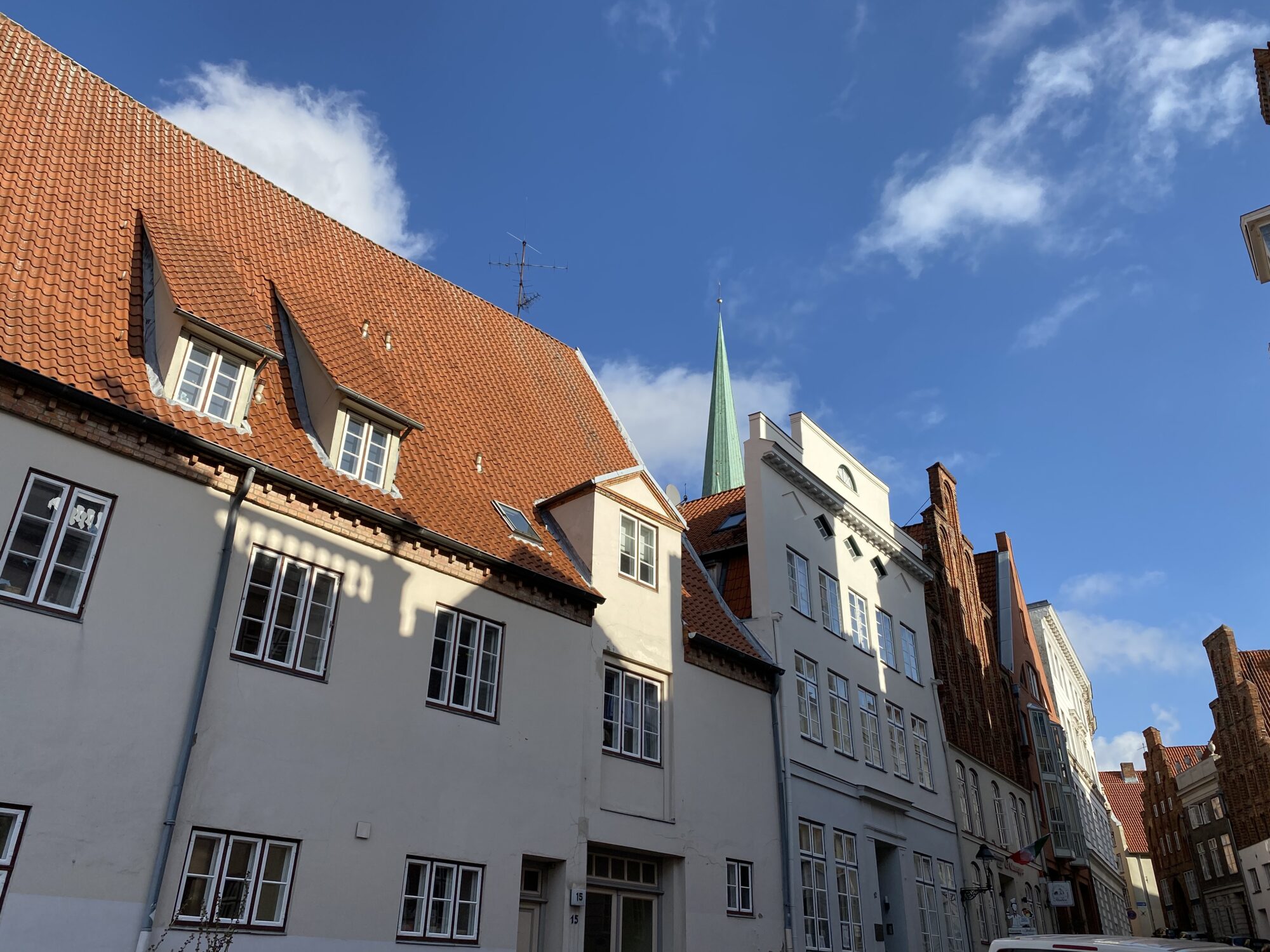
Im Klassizismus (1750-1850) schließlich sehnte man sich nach all dem Pomp zurück nach klaren und strengen Formen und nahm sich die Antike wieder zum Vorbild. Beispiele sind die Häuser Nr. 12, 13, 17 – 19, 27 und 29. Das Haus Nr. 19 beherbergt Lübecks einzige vollständig erhaltene Empirediele. Die beiden Bronze-Löwen, die heute vor dem Holstentor liegen, gehörten urspünglich zu diesem Gebäude.
The Lübeck Academy of Music
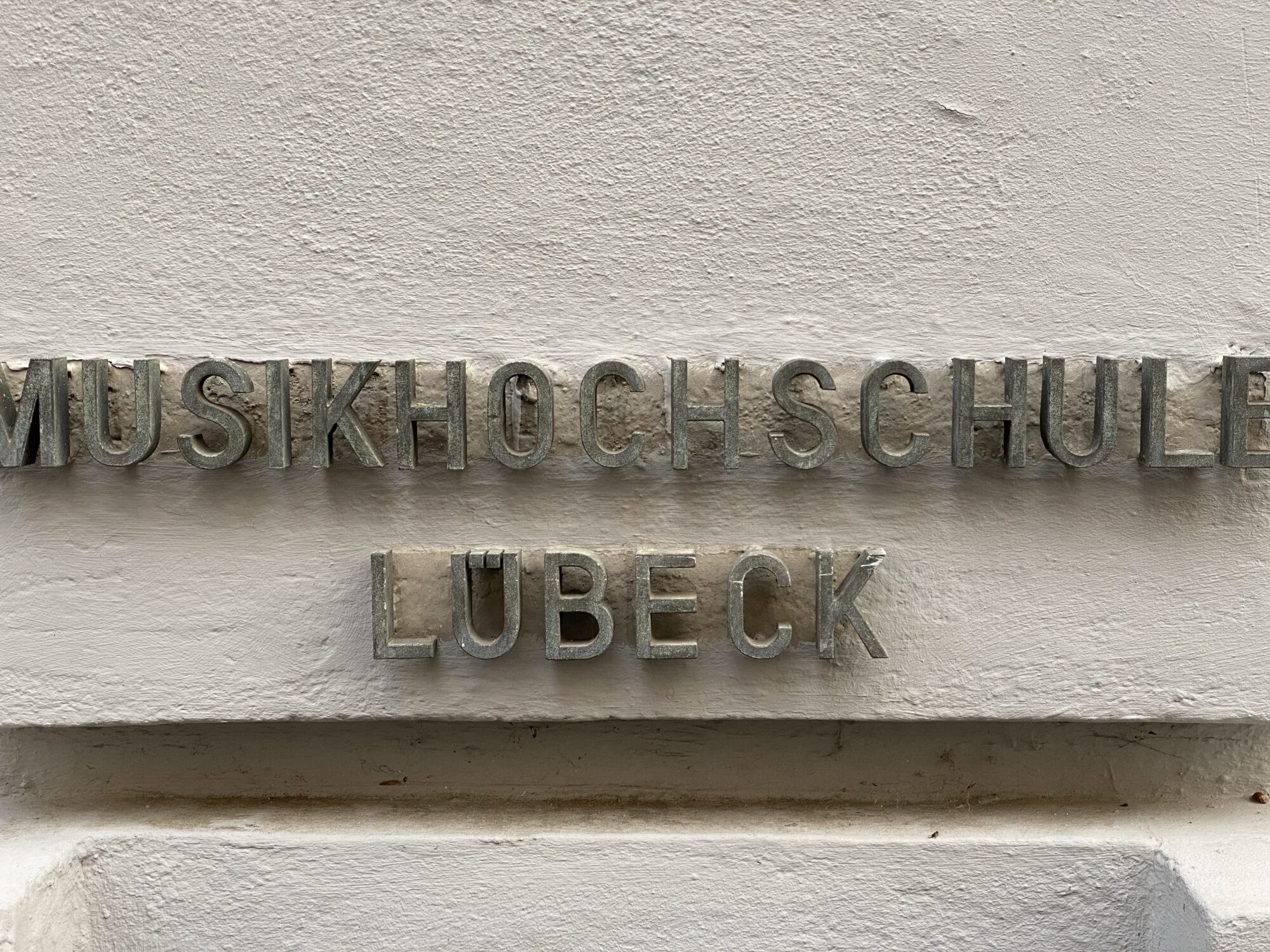
Die Musikhochschule Lübeck nimmt einen großen Teil der historischen Gebäude in der Großen Petersgrube ein. Insgesamt 22 Häuser wurden innerhalb von 15 Jahren umgebaut und zu einem geschlossenen Ganzen vereint. 1984 wurde beim Abriss des Hauses An der Obertrave 16 der berühmte Lübecker Münzschatz entdeckt. Die rund 24.000 Münzen waren zwischen 1533 und 1537 in einem Hohlraum unter dem verdielten Fußboden, verpackt in Leinensäckchen, in einer einfachen Holzkiste versteckt worden. 23.228 Silber- und 395 Goldmünzen konnten geborgen werden., die Rückschlüsse auf die Waren- und Handelsströme der Lübecker Kaufleute zuließen.


Romeo & Juliet – The Lovers
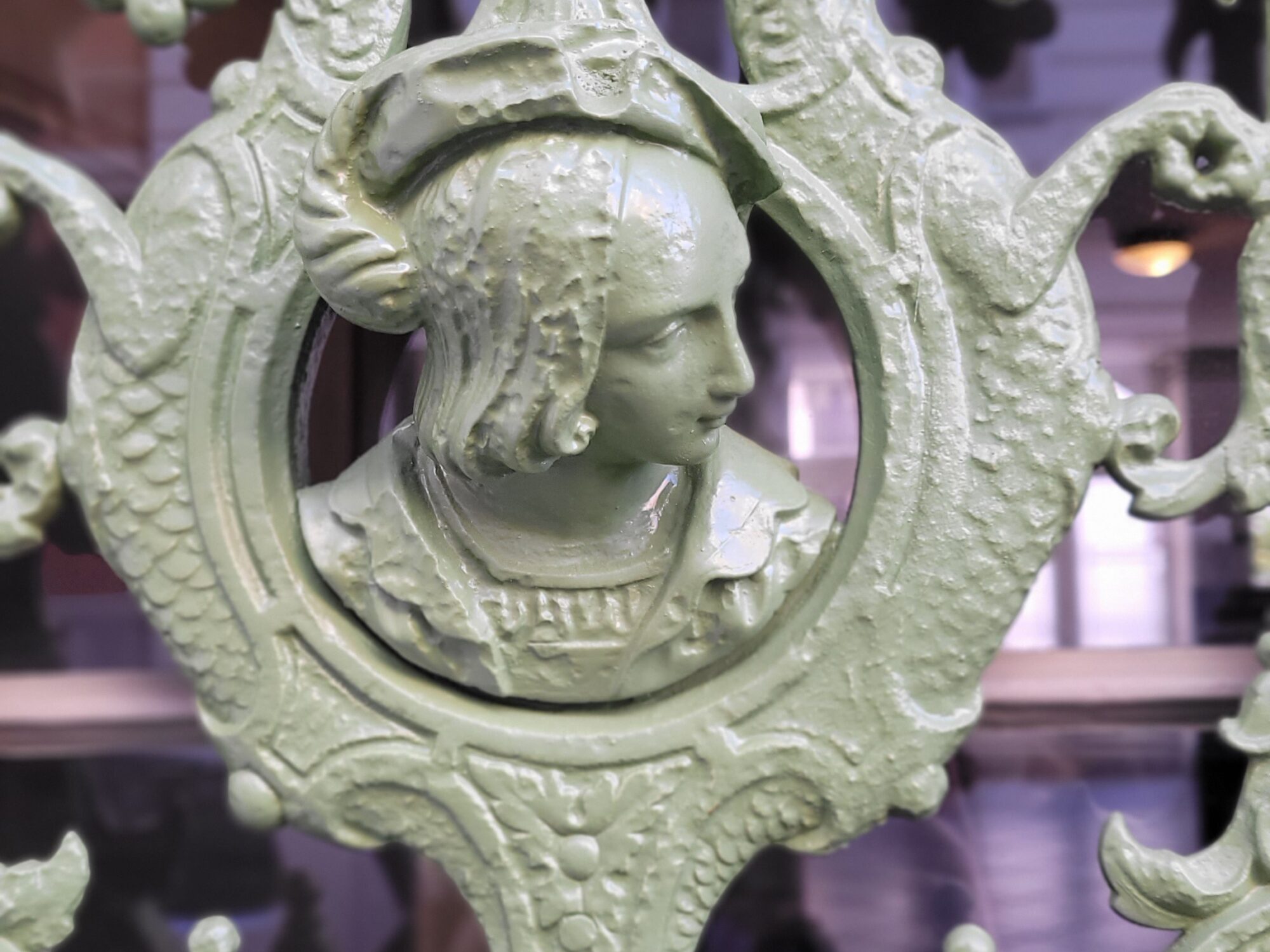
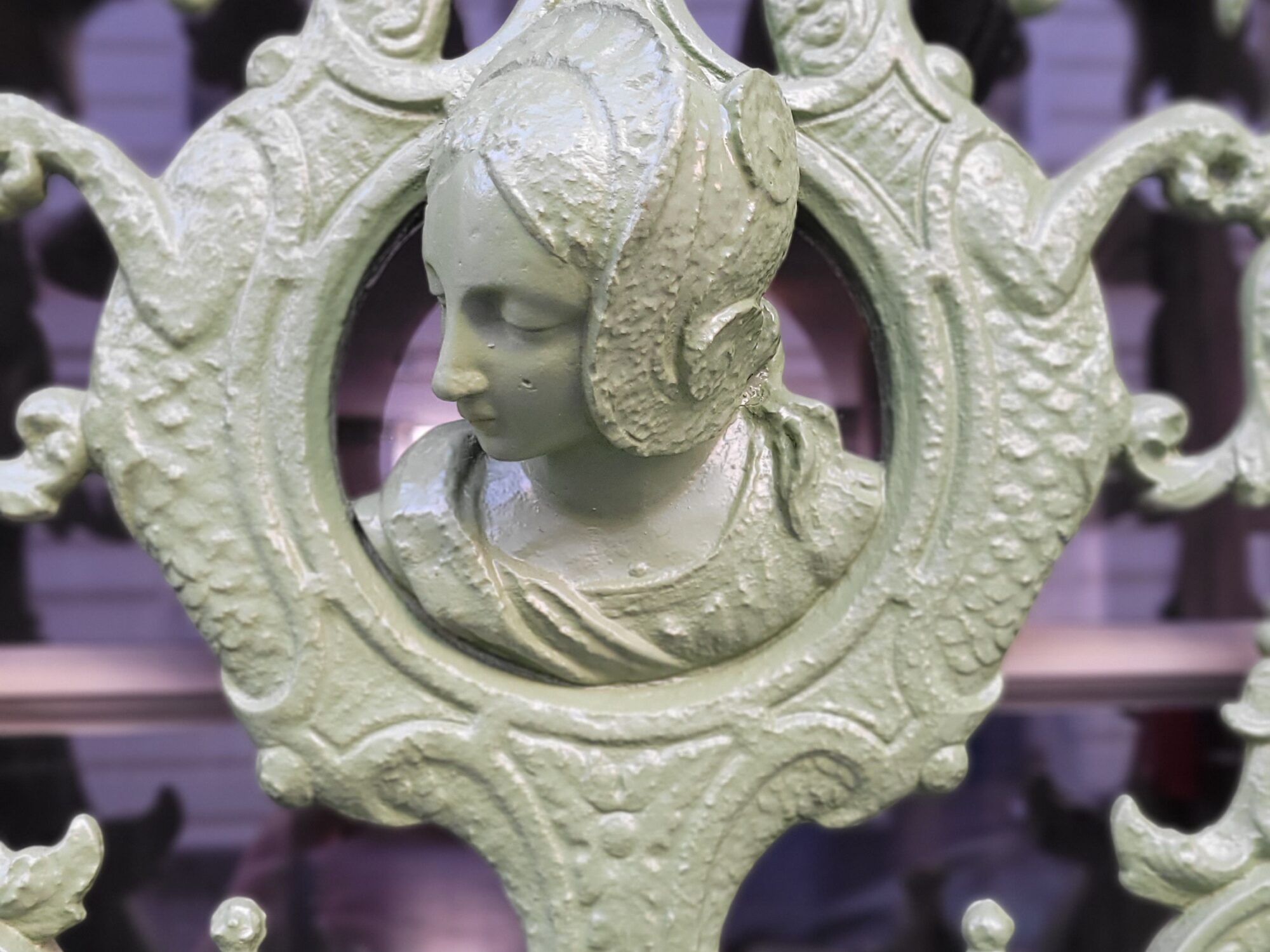
Mein liebstes Kleinod in der Großen Petersgrube ist das Türgitter von Haus Nr. 19. Dort verstecken sich seit gut 150 Jahren Romeo und Julia, einander leise zuächelnd. Romeo mit einer zeitgenössischen Kopfbedeckung, Julia mit geschlossenen Augen. Oberhalb der Köpfe sind zwei Vögel und eine Ananas zu sehen. Die Vögel symbolisieren die Liebe, für Wohlstand und Luxus steht die Ananas. Es soll Glück bringen, den Liebenden über den Kopf zu streichen.
Break at the Obertrave
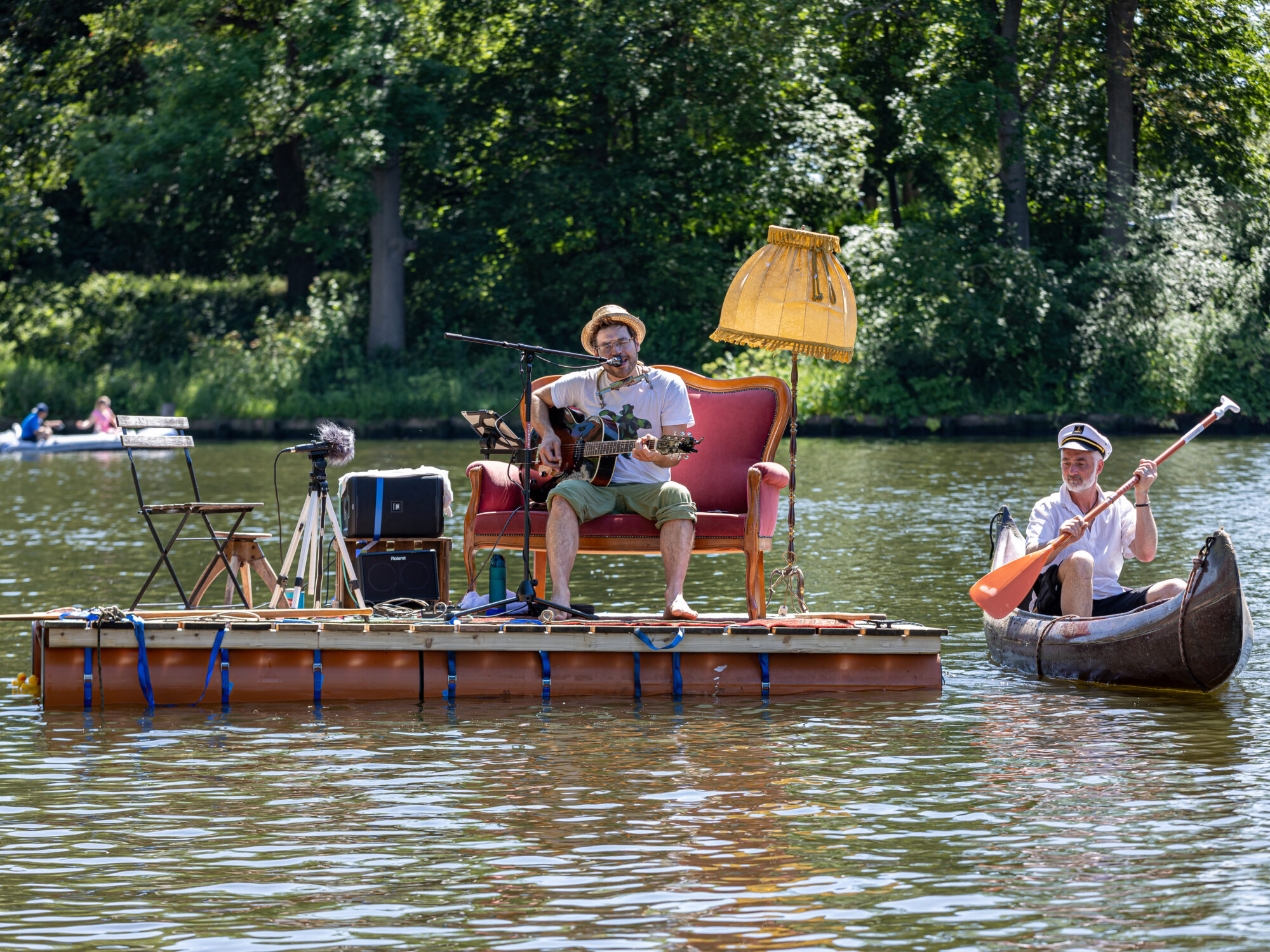
Das war jetzt ein Feuerwerk an Infos und es wird Zeit für eine Pause. Du hast an der Obertrave eine ganze Reihe von Möglichkeiten, es dir gut gehen zu lassen. Beispielsweise im Kartoffelspeicher an der Obertrave 6. Dort kannst du deine Kartoffel mit einer ganzen Reihe von Toppings versehen lassen. Ob vegan, vegetarisch oder mit Fleisch, die Auswahl ist riesig. Hier werden deine Wünsche ganz individuell erfüllt. Auf einen „Little Sweetie“ oder eine Kaffeespezialität lädt dich die Blaupause Cafébar an der Obertrave 12 ein. Wie auch immer du entscheidest: der Blick auf das Wasser der Trave und die historischen Salzspeicher ist grandios. Die entspannt vorbeischlendernden Menschen, Celloklänge aus einem offenen Fenster der Musikhochschule. Manchmal erklingt Musik auch vom Wasser aus oder es tanzt jemand Tango. Besser geht es kaum.
Hallo und danke, solche positive Sites suche ich, hab’s gleich verlinkt (Glockengießer), seh aber schon, ist kaum erkenntlich – änder ich gleich. Weiterhin gute Nachbarschaft und groetjes v.d. Burg,
nicki
That makes us very happy. Thank you so much. You've put an incredible amount of work into your website! We didn't even know about it before. Respect!
Hallo,
leider ist das Türgitter an der Hausnummer 19 nicht mehr vorhanden!?
Leider kann ich nicht in Erfahrung bringen, ob es nur restauriert wird oder komplett entfernt wurde. Habt ihr dazu eine Info?
We hadn't even noticed that! Thanks for the information. We'll try to find out if the gate will be reinstalled.
It's there, but is it the original?
Hi. Romeo and Juliet are back and shining in a new dark green paint job 😊
That's wonderful news! Thank you! These little treasures make everyday life in Lübeck so special.
Jüngst las ich ein Buch der Schriftstellerin Anna Perbandt „FRÜHLINGSTÖCHTER – Das Pensionat am Holstentor“.
In diesem Buch ist die Rede von einem Mädchenpensionat in der Gr. Petersgube um 1899.
Hat es dieses Pensionat wirklich gegeben – oder hat sich die Schriftstellerin dieses nur ausgedacht?
Übrigens nebenbei bemerkt: Ein schönes Buch, was diese Zeit sehr gut wiederspiegelt.
Den 2. Band möchte ich auf jeden Fall auch noch lesen.
Dear Ms. Hamann, that's a good question indeed. As far as we know—and we've done some research—there wasn't a boarding school for young girls and women, but there was the private Hinckeldeyn Higher Girls' School, founded in 1881. It was located on Königstraße. Later, it moved to a new building on Falkenplatz—the building that now houses the Lübeck Adult Education Center (VHS Lübeck). In 1896, a new headmistress took over the institution. It was nationalized in 1920. By the way, Gesche is my favorite protagonist in the novel. And yours? Best regards from the Holsten Gate!