7 excursion tips for bicycle tours in the Lübeck area
“I want to ride my bicycle; I want to ride it where I like” sang Freddy Mercury bereits 1978 im “Bicycle Race”. Die Botschaft ist heute aktueller denn je. Vor kurzem endete die Aktion „Stadtradeln“ für Lübeck. Während des 3-wöchigen Aktionszeitraums kam Lübeck auf insgesamt 742.165 km. Ein neuer Rekord, mit dem wir ein Zeichen im Sinne der Verringerung unseres ökologischen Fußabdrucks setzen. Warst du in deiner Kommune ebenfalls dabei?
Ich halte es wie Freddy. Mein Fahrrad ist mein liebstes Transportmittel. Ich nutze es für meinen Arbeitsweg und die meisten meiner Wochenendausflüge. Lübeck ist eine ausgezeichnete Fahrradstadt. Alles ist gut und schnell erreichbar. Kein Gedanke an Parkplätze und Benzinpreise. Bei Radtouren halte mich fit, bekomme den Kopf frei und unterwegs auch noch sehr viel Schönes zu sehen. Mein Arbeitsweg entlang der Wakenitz ist so malerisch wie keiner zuvor.
Auch außerhalb der Stadt gibt es viel zu erleben, denn die Lübecker Umgebung wartet mit naturschönen und abwechslungsreichen Landschaften, idyllischen Badeseen und gemütlichen Hofcafés auf. In diesem Artikel der ZWISCHENZEILEN möchte ich dir 7 meiner liebsten Radtouren vorstellen.
7 towers – 7 tips

Bismarck Tower and Riesebusch
Total length: approx. 28 km
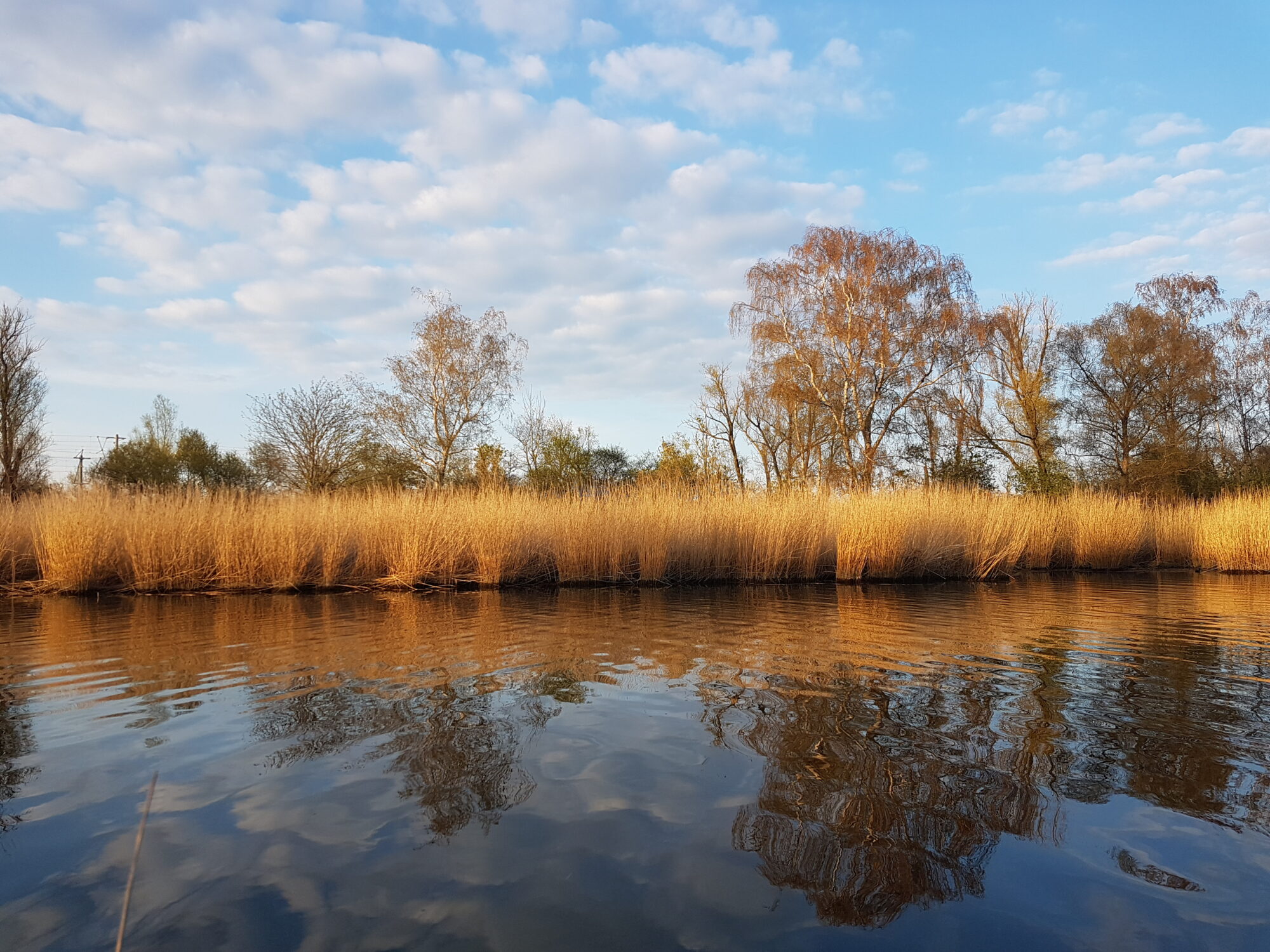
Diese Radtour ist zwar nur 28 km lang, wartet aber mit einigen anspruchsvollen Passagen auf und eignet sich durchaus als Tagesprogramm. Unterwegs passierst du die schilfgesäumten Ufer der Trave, die hügelige Waldlandschaft Riesebusch und genießt die fantastische Aussicht vom höchsten Hügel des Lübecker Umlandes.
Hast du gewusst, dass du auf dem Weg nach Bad Schwartau eines der ältesten Industriegebiete Lübecks passierst? Mir jedenfalls war es neu, dass der Tremser Teich schon im 14. Jahrhundert als Fisch- und Mühlenteich angelegt wurde. Mit seiner Wasserkraft wurde hier einst die erste Papiermühle Lübecks betrieben.
Die Geschichte unserer Stadt beginnt an der Mündung der Schwartau in die Trave. Auf der kleinen Halbinsel, dem sogenannten „Alt-Lübeck“, findest du die Überreste einer slawischen Festung aus dem 9. Jahrhundert. Ihr Name „Liubice“ (für „Die Liebliche“) macht Lübeck auch heute noch alle Ehre.
Von der Bismarcksäule auf dem Pariner Berg schweift dein Blick über Weiden und Knicks, über die Lübecker Bucht bis zu den 7 Türmen der Altstadt. Die Bismarcksäule stammt aus dem Jahr 1902, als man zu Ehren des berühmten Reichskanzlers überall im Lande ähnliche Bauwerke errichtete. Ebenfalls aus einer längst vergangenen Zeit scheint die kleine Gaststätte „Pariner Berg“ zu stammen. Nach all den bisherigen Kilometern hast du dir ein Stück Torte mit Aussicht auf Lübeck redlich verdient. Der Weg zurück führt über den Riesebusch. Hier schlängelt sich das kleine Flüsschen Schwartau zwischen dicht bewaldeten Hügeln hindurch. Ein malerischer Anblick, finde ich. Ganz besonders im Frühling während der Anemonenblüte. Unter Sportlern ist der „Trimm-Dich“-Pfad eine beliebte Herausforderung. Hobby-Archäologen dürften bronzezeitliche Grabhügel und die Überreste einer Burg aus dem 13. Jahrhundert interessieren.

Schellbruch and Gothmund
Total length: approx. 18 km
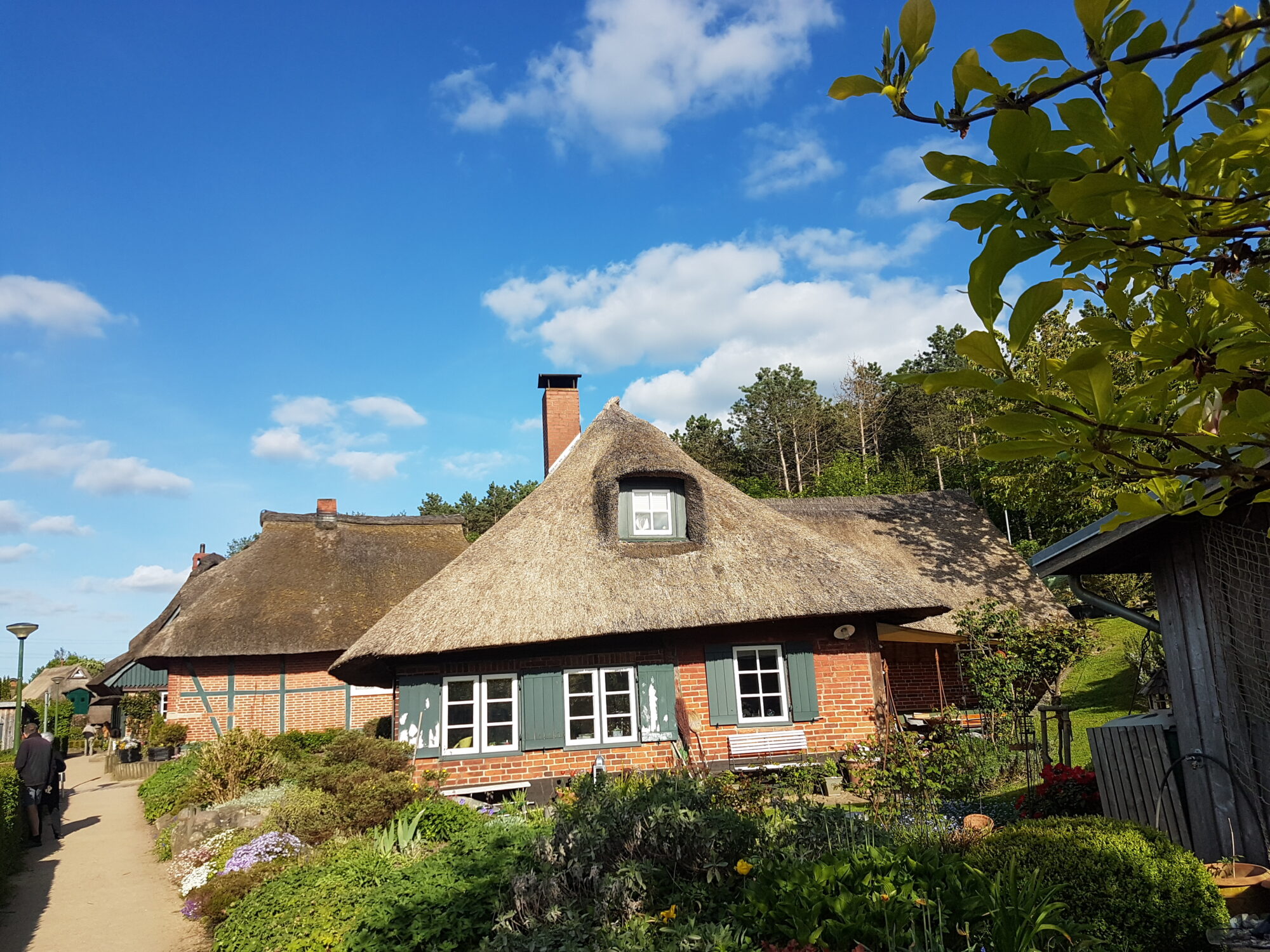
Meine Lieblingsstrecke nördlich der Altstadt führt durch den Schellbruch nach Gothmund und zurück durch das Lauerholz. Auf 18 Streckenkilometern erlebst du viel abwechslungsreiche Natur, um deine Batterien wieder aufzuladen. Ein Höhepunkt ist das malerische Fischerdorf Gothmund.
Jenseits des Burgtores passierst du das Café Steinhusen am Burgfeld 3 – eine Institution unter Alteingesessenen. Ohne fertig gepackten Picknickkorb solltest du hier nicht vorbei radeln. Die nächste Station ist das Naturschutzgebiet Schellbruch. Die weitläufige Lagunenlandschaft entlang der Trave ist ein Vogelparadies mit breiten Schilfgürteln, Feuchtwiesen und Laubwäldern. So nahe der Stadt und gefühlt doch so fern, habe ich hier das Gefühl, besonders tief durchatmen zu können.
Das malerische historische Fischerdorf Gothmund entzückt mit reetgedeckten Häusern und liebevoll gepflegten kleinen Vorgärten. Am Traveufer liegen noch immer alte Fischerkutter vertäut und wirken wie Relikte aus einer anderen Zeit. Bereits 1502 wurde Gothmund erstmals in einem Protokoll der Lübecker Ratsversammlung erwähnt. Für den Rückweg der Radtour empfehle ich den Wesloer Weg durch den herrlich grünen, schattigen Laubwald des Lauerholz.

Wesloer Forest and Palinger Heath
Total length: approx. 20 km
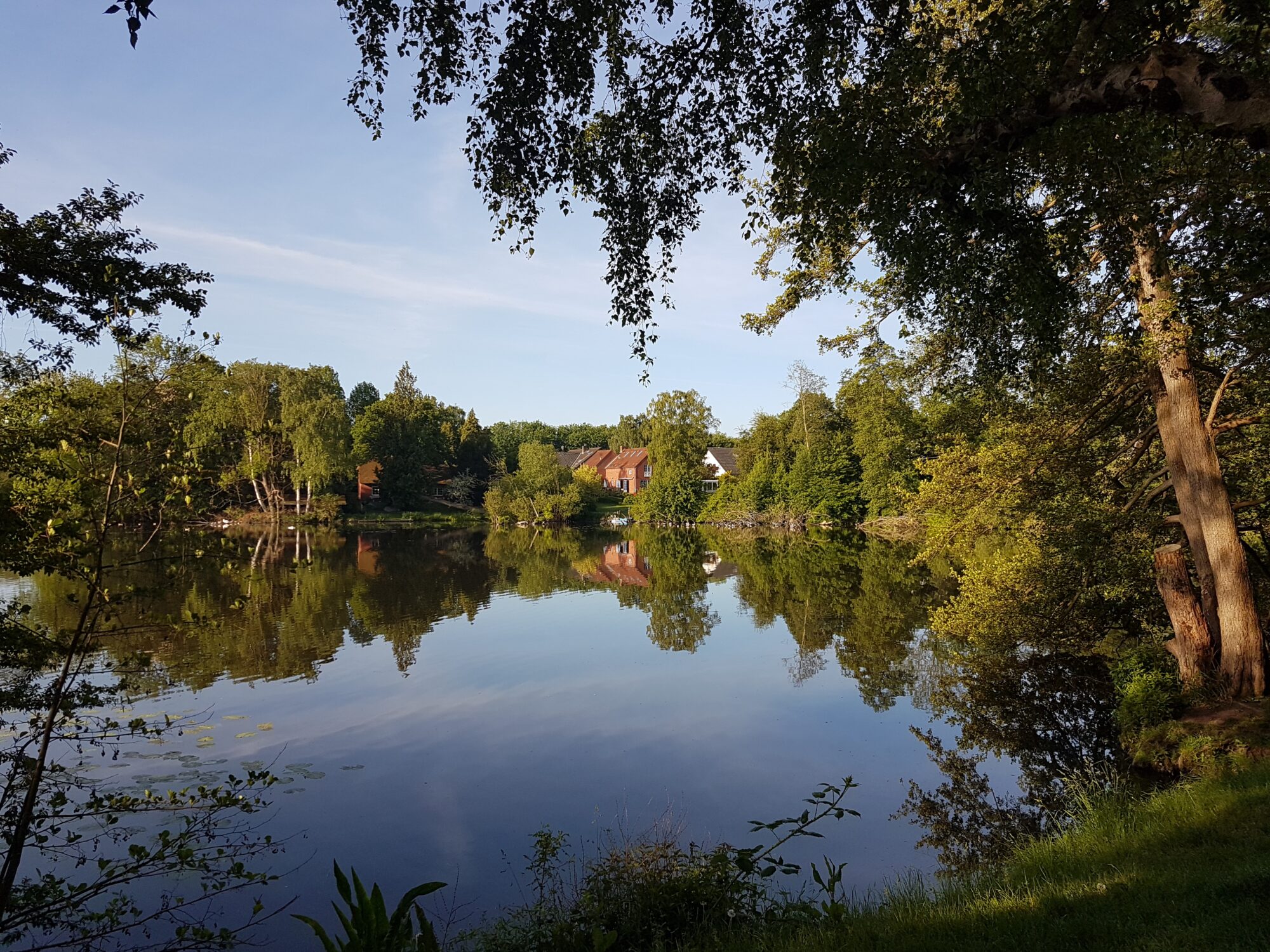
This approximately 20 km long bike tour showcases the great diversity of Lübeck and its surroundings: medieval old town and elegant suburban villas. Dense, shady deciduous forests and sandy heathlands.
Jenseits des Burgtors passierst du die herrschaftlichen Stadtvillen entlang der Roeckstraße. Am östlichen Stadtrand verschluckt Dich der schattige Buchenwald des Wesloer Forst. Hier verlief einst die innerdeutsche Grenze. Jenseits des Waldsees und des alten Landgrabens – einst Grenze des Lübecker Stadtgebiets – öffnet sich die Landschaft zur Palinger Heide mit sandigem Boden, Wiesen und Ericakraut – ein Anblick, der mich ein wenig an die Lüneburger Heide erinnert.
Zurück geht es entlang der Wakenitz, die kilometerweit zwischen kleinen Bootshäfen, Wäldchen, Wassergrundstücken und Gartenanlagen hindurch in die Stadt mäandert. Eine einzigartige Landschaft mit einem Hauch von Schwedenidyll. Für mich persönlich ist dies eine von Lübecks Schokoladenseiten. Nimm dir unbedingt die Zeit für eine Pause mit Picknick am Wasser oder für ein Bad!

On the Drägerweg trail to Blankensee
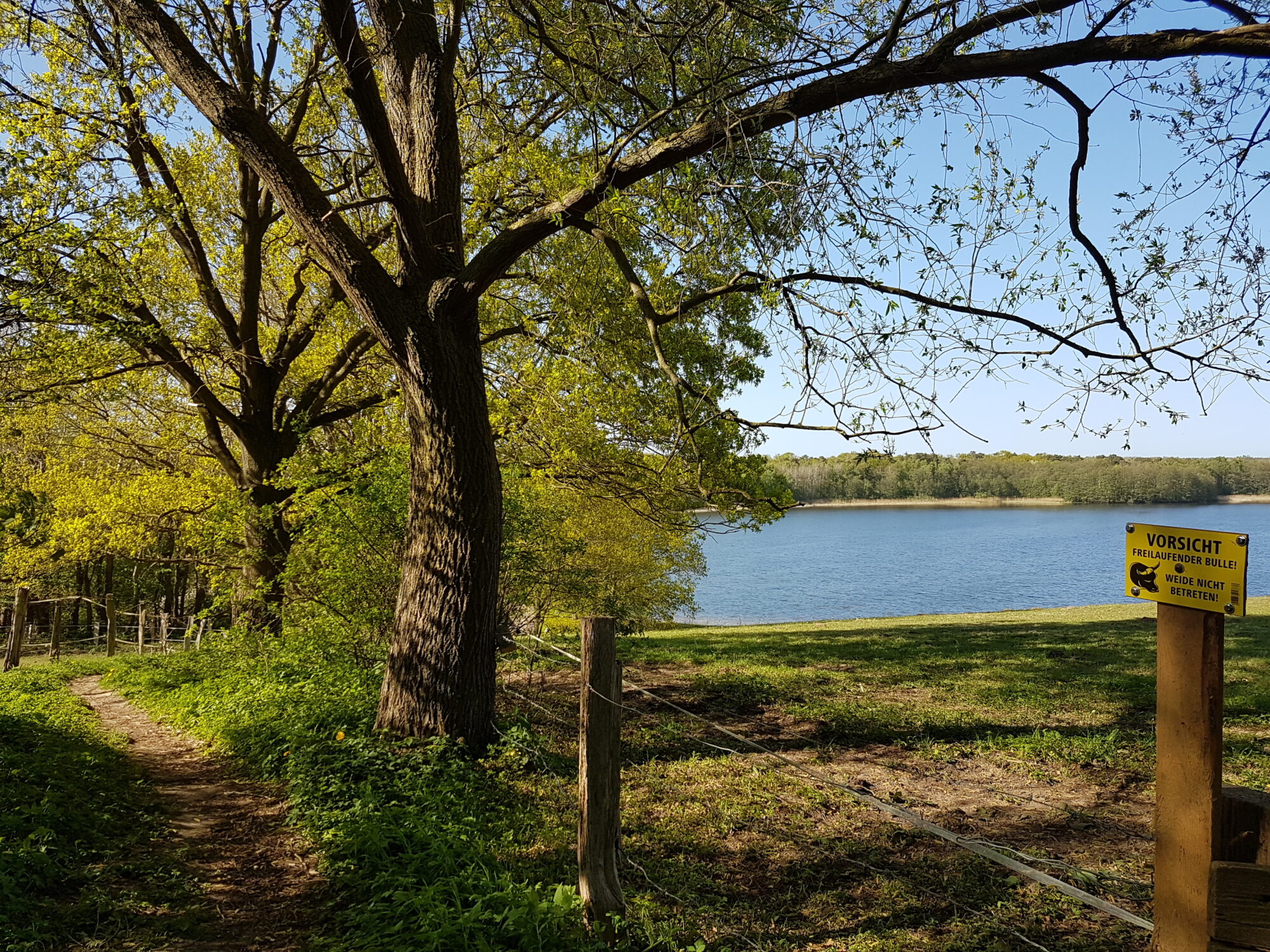
Total length: approx. 32 km
Für Lübecker:innenn ist der Drägerweg eine Institution. Ein landschaftliches Juwel. Der Weg folgt der Wakenitz – dem „Amazonas des Nordens“. Der Titel kommt nicht von ungefähr – windet sich der aufgestaute Fluss doch breit und gemächlich durch dichte Wälder und Sumpflandschaften. Der Gedenkstein Löwenstadt erinnert an die gescheiterte Stadtgründung Heinrich des Löwen, der hier im Jahre 1157 dem aufstrebenden Lübeck Paroli bieten wollte. An dieser Stelle ist die Wakenitz jedoch kaum noch schiffbar. Heinrichs Löwenstadt war nie viel mehr als ein Luftschloss.
Kurz darauf verlässt du den Drägerweg und fährst nach Klein Grönau, wo sich gegenüber der kleinen „Wegekappelle“ das ehemalige Siechenhaus befindet, heute ein Gästehaus. Im 14. Jahrhundert fanden Lübecks Leprakranke hier Pflege oder ihren letzten Ruheplatz – als gläubigen Christen stand ihnen dies zu. Gleichzeitig wollte man sie so weit wie möglich von der Innenstadt wissen.
Die Straße „Am Sonnenberg“ führt dich auf der Radtour zum Blankensee. Kurz davor biegst Du links ab in den Weg „Seekrug“ und kurz darauf wieder rechts den Wanderweg entlang. Du erreichst die Sitzgelegenheit auf der Hügelkuppe zwischen zwei Bauernhöfen. Ein idealer Platz für ein Picknick mit Aussicht über das kleine Tal und den See, der zahlreichen Wasservögeln Schutz bietet. Der Weg „Tüschenbecker Mühle“ führt dich rechter Hand den Hügel hinab und durch den Wald zurück nach Lübeck.

Picnic and swimming at Klempauer Hof lake
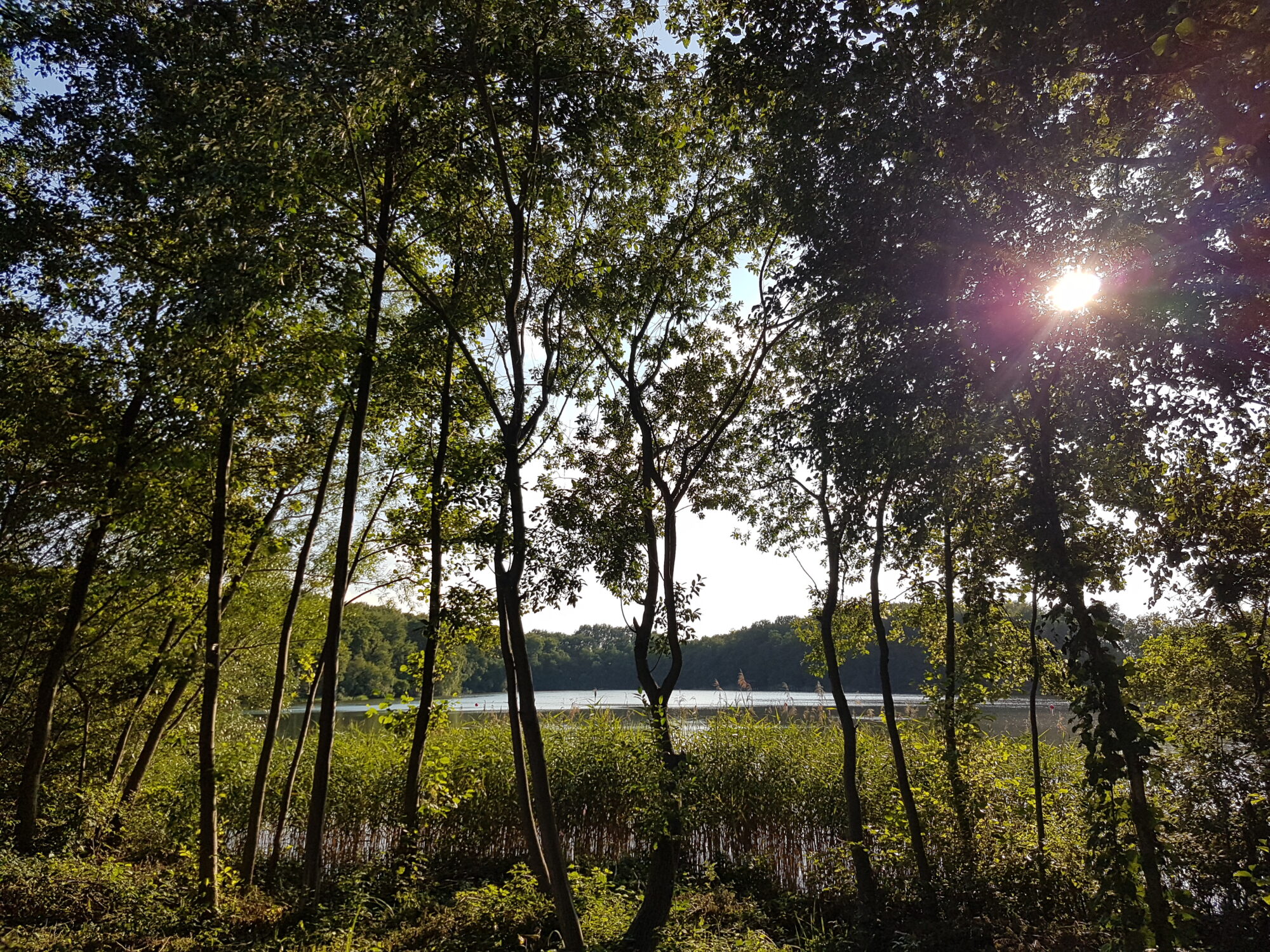
Total length: approx. 28 km
Diese Strecke von 28km passt perfekt zum sommerlichen Feierabend. Der Weg führt von St. Jürgen aus über Vorrade und Wulfsdorf. Hügelige, sonnengetränkte Felder und Knicks und weite Horizonte prägen die Landschaft südlich des Hochschulstadtteils. Das Ziel ist der Klempauer Hofsee in Beidendorf – ein idyllischer Waldsee mit DRLG-Badestelle und ein ausgezeichneter Ort für ein Picknick.
Das Seewasser ist auch im Hochsommer angenehm frisch. Im Bistro Schilfkate gibt es leckere Snacks und kühle Getränke mit Seeblick. Nach der Fahrradtour, dem Bad und vielleicht einem Stück Flammkuchen lässt es sich hier herrlich in den Liegestühlen chillen.
The return route on the bike tour then leads via Krummesse and the Elbe-Lübeck Canal.

On the old salt road to Lake Lankau
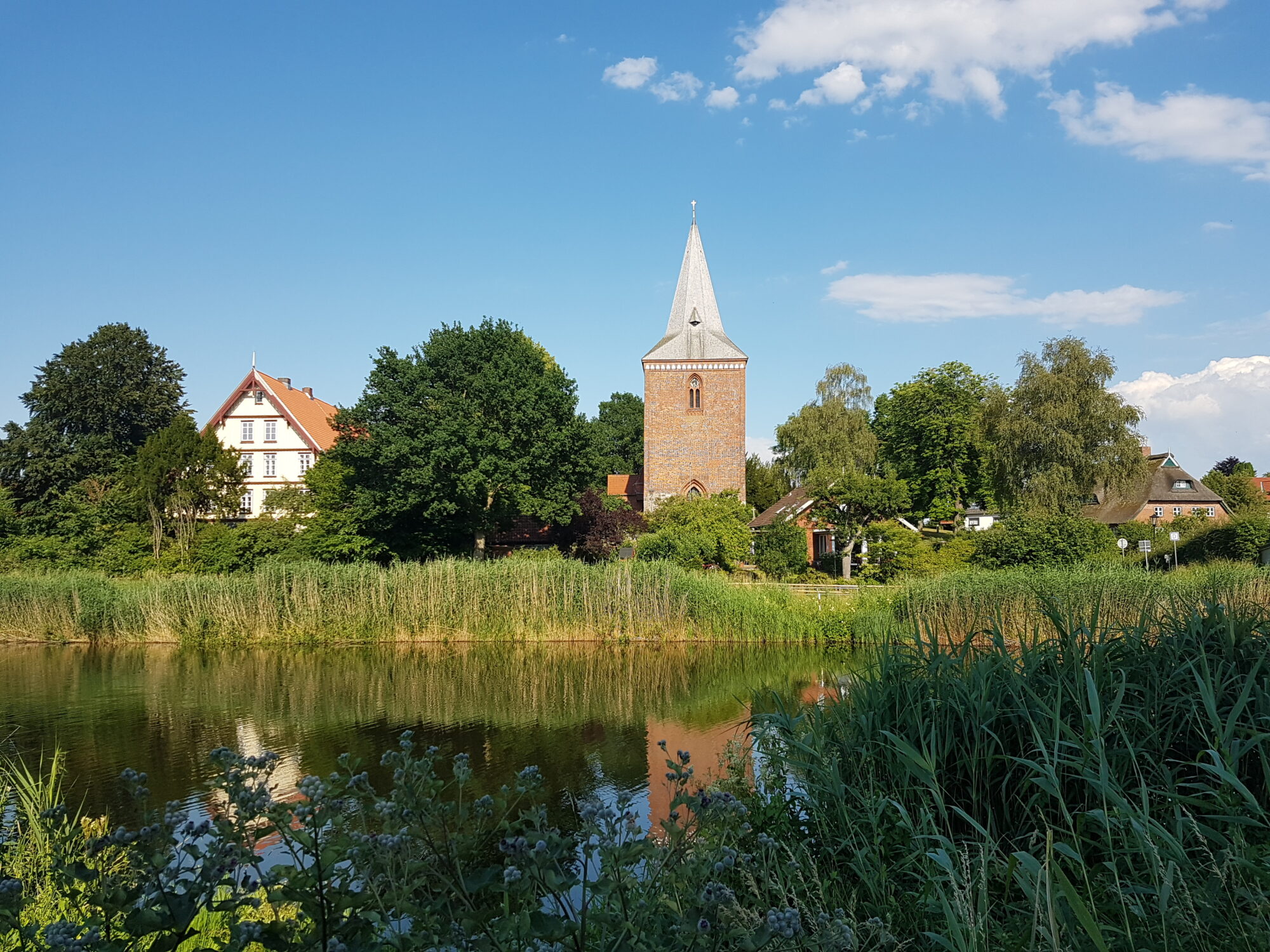
Total length: approx. 60 km
Diese Tagestour von etwa 60 km Länge eignet sich besonders gut für warme Sommertage. Die Strecke folgt der Alten Salzstraße entlang der ehemaligen Stecknitz – des heutigen Elbe-Lübeck-Kanals. Hier gibt es einiges zu sehen: malerische Bauerndörfer mit Jahrhunderte alter Geschichte, stattliche Herrenhäuser und idyllische Waldseen. Fahre möglichst früh am Vormittag los und plane genug Zeit für alle Sehenswürdigkeiten entlang des Weges ein.
You leave the city along the Canal Trave, cross the Trave River on the towpath bridge, and from then on follow the Elbe-Lübeck Canal. As early as the 14th century, the Stecknitz River was made navigable with the help of several locks. A canal was cut through near Mölln, creating a shipping route between the Elbe and the Baltic Sea. From 1398 onwards, valuable salt from Lüneburg was transported via the canal to Lübeck, from where it was shipped for trade with Scandinavia and the Baltic region. The historic salt warehouses at the Holsten Gate still bear witness to this today.
You cycle along this historically significant route on sandy paths through expansive meadows and forests, fields and moors, which provide a home for herons, storks and many birds of prey.
Erste Station ist der kleine Ort Krummesse mit seiner markanten Kirche und Standort einer ehemaligen Burg, die jedoch im späten Mittelalter aufgegeben wurde, da die hier ansässigen Ritter nicht dazu bereit waren, Vasallen der aufstrebenden Bürgerschaft Lübecks zu werden. Mehr zur Geschichte des Ortes erfährst Du hier.
In Berkenthin überblickt die Maria-Magdalenen-Kirche von einem kleinen Hügel aus das Stecknitztal. Mit ihrer überraschend reichen Innenausstattung und Wandmalereien aus dem 14. Jahrhundert ist sie definitiv einen Besuch wert. Im benachbarten Behlendorf gibt es nicht nur einen beliebten Badesee mit Toiletten und Gastronomie – erwähnenswert ist außerdem, dass das Dorf des Lübecker Schriftstellers und Nobelpreisträgers Günter Grass letzte Heimat und Ruhestatt war. (Vielleicht hast du Lust auf die Tour de Grass?) Meine persönlichen Höhepunkte dieser Strecke sind aber die nächsten beiden Stationen.
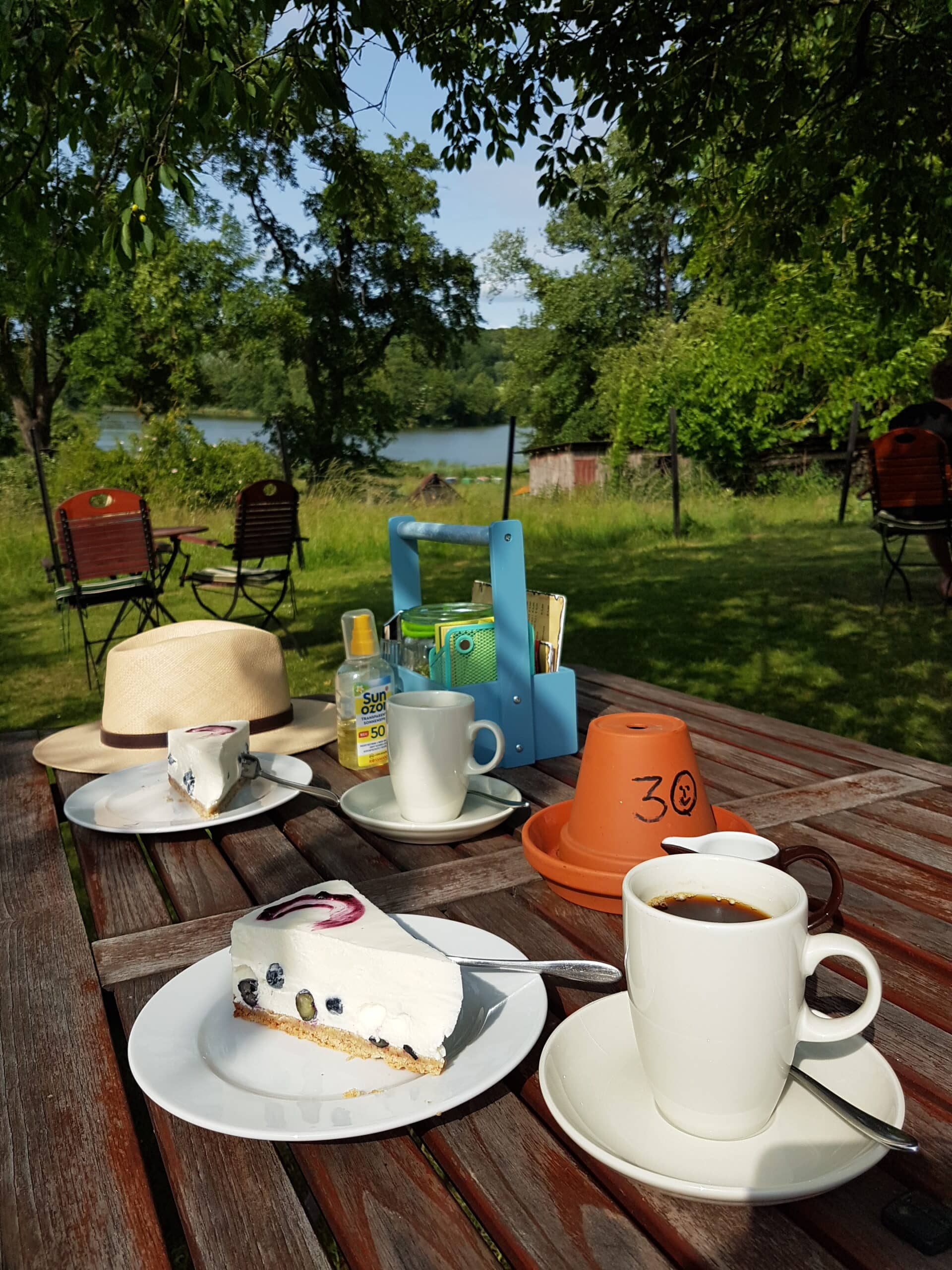
Unterhalb des verschlafenen Dorfes Lankau findest du einen wunderbaren, sauberen, smaragdgrünen Waldsee. Eine Oase der Ruhe, die du keinesfalls verpassen solltest. Unweit vom Lankauer See wartet auf dem Rückweg noch ein kleines kulinarisches Highlight auf dich. In einem liebevoll restaurierten Bauernhof am Ankersee betreiben Anja und Christoph Brandt ein Café mit dem cleveren Namen Brandtschatz Café. Die Geschichte dieser Gastwirtschaft lässt sich bis auf das Jahr 1600 zurückverfolgen.
In summer, you can sit here under fruit trees overlooking the Ankersee lake. Anja conjures up fantastic cakes and tarts. My current favorite is her buttermilk cake with blueberries – refreshingly summery and not too sweet.
Now it's time to head back. If you'd like a shortcut, take the train from Mölln or Ratzeburg.
On the Drägerweg trail to Ratzeburg and on to Küchensee lake
Route length: approx. 34 km
From Lübeck to Lake Ratzeburg. This approximately 34 km long bike tour can certainly be completed in half a day, but is better suited as a day trip.
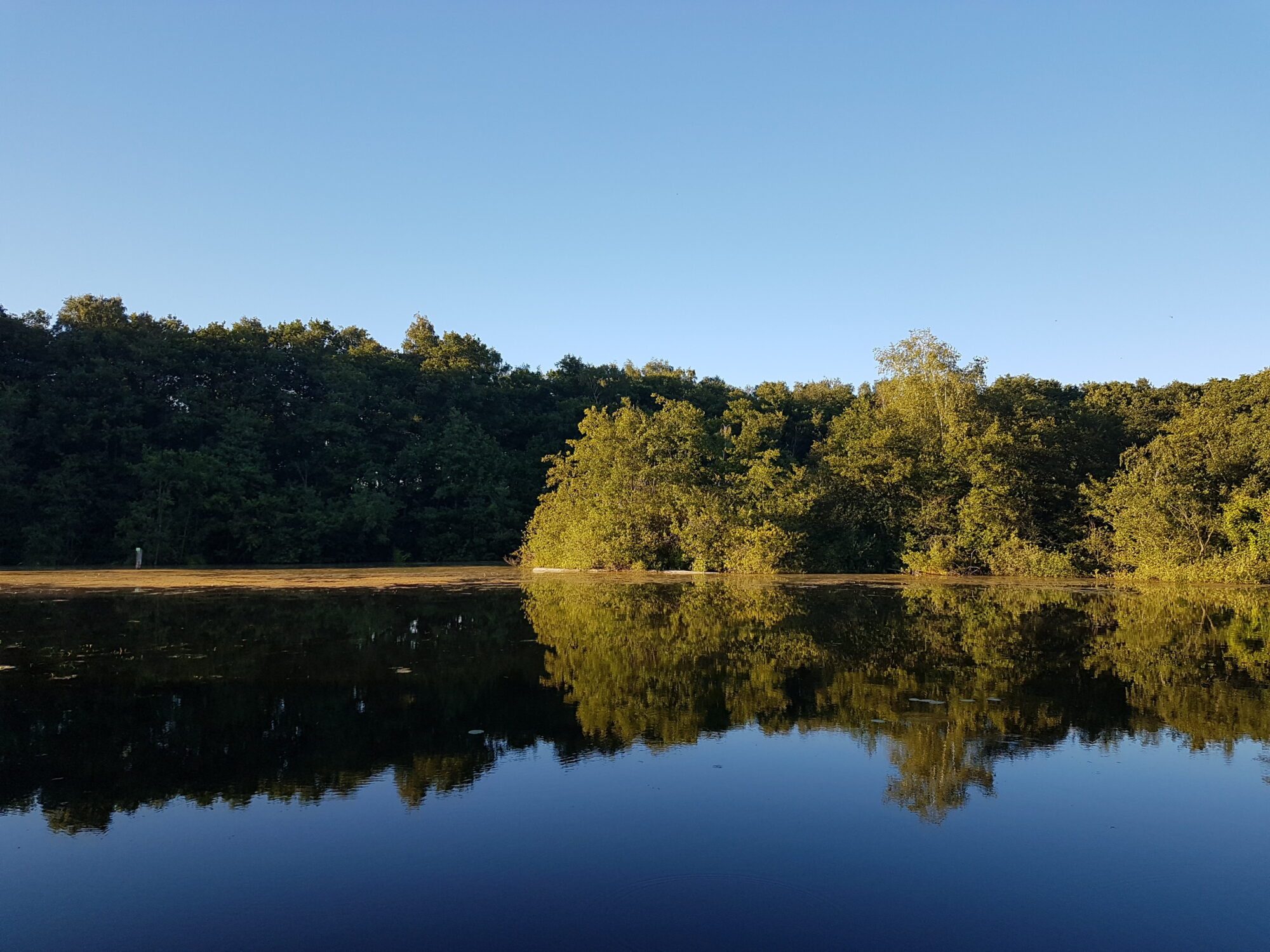
You start on the Drägerweg trail along the Wakenitz river. Dense deciduous forests flank its course and are reflected in the calm waters, only occasionally interrupted by the bow waves of some canoeists.
Du passierst Ausflugsziele wie Müggenbusch oder Absalonshorst und den Gedenkstein der Löwenstadt; als lohnenswerter Rastplatz auf etwa halber Strecke empfiehlt sich ganz besonders das Fährhaus Rothenhusen. Das urtümliche Fachwerkhaus steht auf einer kleinen Insel zwischen Ratzeburger See und dem Abfluss der Wakenitz. Es blickt auf eine mehr als vierhundertjährige Geschichte zurück und wurde 1595 als Zollstation und Fährhaus von der Stadt Lübeck gegründet und befestigt. Heute wird es als Café und Restaurant betrieben.
The trail continues along the hilly eastern shore with its deep deciduous forests and sweeping views across the region's second-largest lake. This area was once a border zone and notorious for East German agents who allegedly crossed the inner-German border here under cover of night.
Die Inselstadt Ratzeburg befindet sich inmitten des Ratzeburger Sees und ist über drei Dämme mit dem Festland verbunden. Ratzeburg blickt als ursprünglich slawische Gründung und späterer Bischofssitz auf eine fast 1000-jährige Geschichte zurück. Ein Spaziergang durch die Altstadt und ein Besuch des Doms sind nicht allein aufgrund der naturschönen Lage empfehlenswert.
This could be the end of your trip. If you'd like more, you can cycle around the Küchensee lake. Surrounded by steep hills and dense deciduous forest, you can easily spot fully grown pike in the crystal-clear water, lurking among the roots, waiting for prey.
Am Südufer des Küchensees befinden sich zwei ehemaligen Wassermühlen. Die ehemalige Walkmühle wird heute als Farchauer Mühlencafé betrieben. Ideal für eine Pause mit leckerem Kaffee und Kuchen. Die zweite Mühle ist eine liebevoll restaurierte ehemalige Papiermühle, die heute zu der Luxusferienanlage Zeit am See gehört.
Bevor du in Ratzeburg deinen Drahtesel in den Zug nach Lübeck schiebst, möchte ich dich vorsichtshalber auf eine letzte Attraktion hinweisen. Egal ob von nah oder fern – wer in Ratzeburg Eis essen möchte, der geht zu Pelz. Seit fünf Generationen betreibt Familie Pelz ihre Eismanufaktur direkt am Seeufer. Wenn dich köstliche Eisspezialitäten an heißen Sommertagen nicht kalt lassen, solltest du dir hier eine kleine Belohnung auf deiner Radtour gönnen.
Now it's your turn.
Whether you come from Lübeck, live in Leipzig or are currently studying in London: what are your favorite bike tours and why?
Brilliantly described. I wish you good health.
Thank you so much, and thank you as well!
Wonderfully written! It makes you really want to go exploring (driving)!
That was our intention too, dear Anja :) Hopefully you will soon have the opportunity to try out some of the routes yourself.