
Leo Tolstoi ist ja nicht gerade berühmt für kurze Abhandlungen. Man denke nur an sein Monumentalwerk „Krieg und Frieden“. So überrascht es nicht, dass er sich auch der Frage „Was ist Kunst?“ auf 237 Seiten widmete. Er war überzeugt, dass Menschen einander durch die Kunst ihre Gefühle mitteilen. Ein spannender Ort in Lübeck, Tolstois Frage nachzugehen, Kunst zu erleben und in den Austausch mit Kreativen zu kommen, ist mein heutiges Ziel: die Defacto Art Kunsttankstelle in der Wallstraße 3.
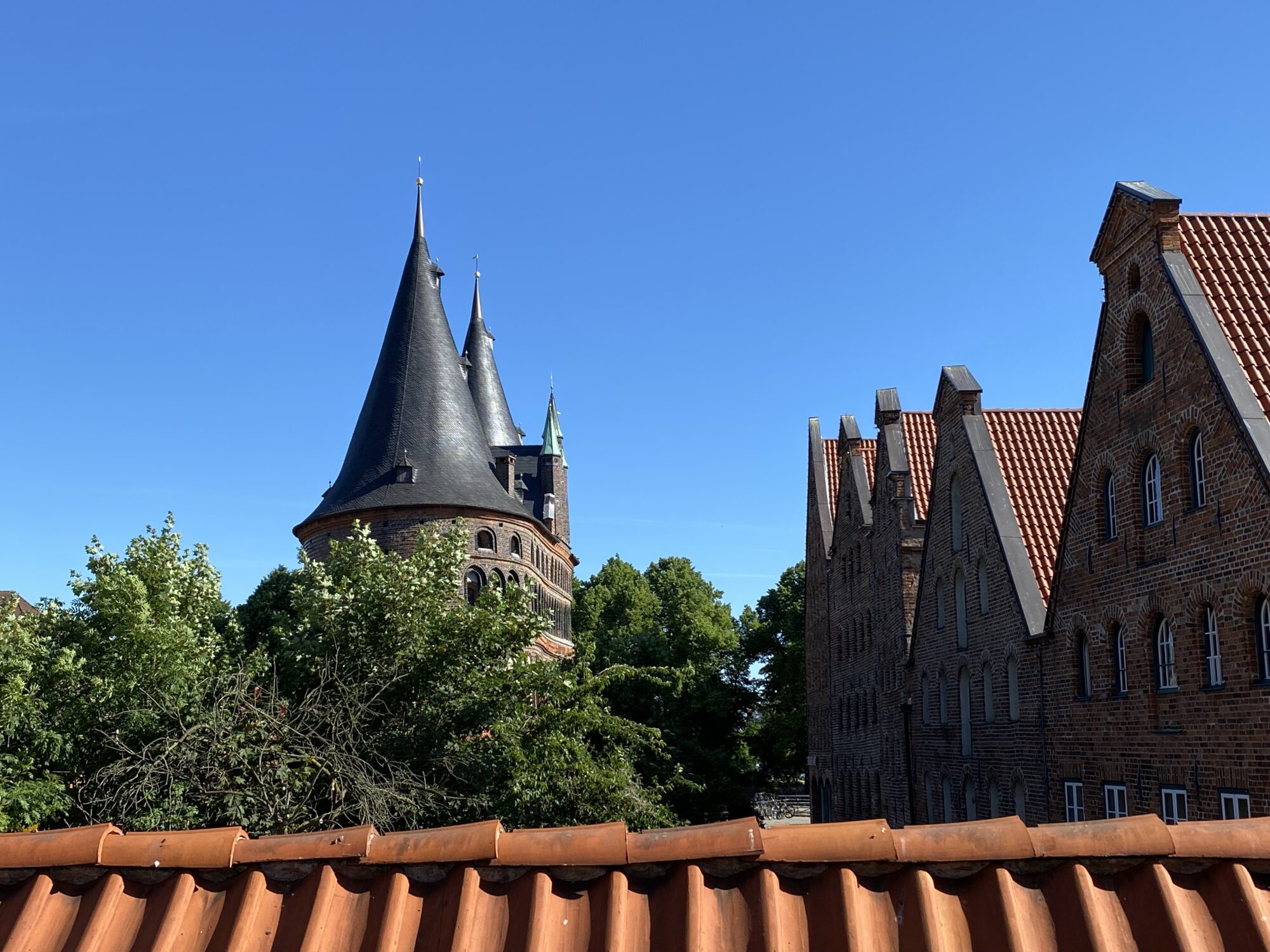
My conversation partner is Peter Fischer, the chairman of the association, who spontaneously invites me up onto the roof. Had I known, I would have worn sturdy shoes… A micro-adventure, but one I gladly accept. From up there, I'd never before seen the Holsten Gate, seemingly within arm's reach, or the Obertrave River opposite, with the distinctive tower of St. Petri Church. We inspect the new skylights. Some of the panes, installed in 1951, needed replacing. Which brings us to the topic at hand: the past months of lockdown were used for extensive modernization and renovation work at the Defacto Art art center, made possible primarily thanks to the Possehl Foundation, so invaluable to Lübeck. New sanitary facilities, a meeting room, a new kitchen, completely new screed flooring in the workshop building, and 18 new double doors, each individually measured and manufactured.
The Defacto Art gas station looks fresh, but it's not flawless. Not everything is tidy, not everything is smooth and pristine. And that's precisely the point: the gas station is meant to be a "work in progress." The facility has retained its unique post-industrial charm.
gasoline for the soul
In 1926, the Schulze & Oltmanns company was founded in the salt warehouses. It housed a car repair shop, a gas station, and a garage rental business. The gas station was located on the street, the parking spaces were inside the warehouses, and a car lift was situated outside. In 1936, the salt warehouses were slated for renovation and subsequent conversion into a department store. As compensation, the company founder received the neighboring property at Wallstraße 3/5 from the city, where he built a new gas station. In 1951, a garage complex and a workshop/car wash bay were added. The gas station ceased operations in 1989, and the lease with the city ended in 2011. Since then, the site has lain fallow, and the buildings have been left to decay.
In 2016, the buildings were transferred to the artists' association Defacto Art e.V., after it had become increasingly difficult, especially for freelance visual artists and craftspeople, to rent small studios and workshops in central locations. The association has only owned the property since 2020. This has provided many creative individuals with a space to exhibit their work. All the workshops in the U-shaped courtyard are already occupied. And just a few weeks ago, additional garages with a view of the Holsten Gate's spires were opened.
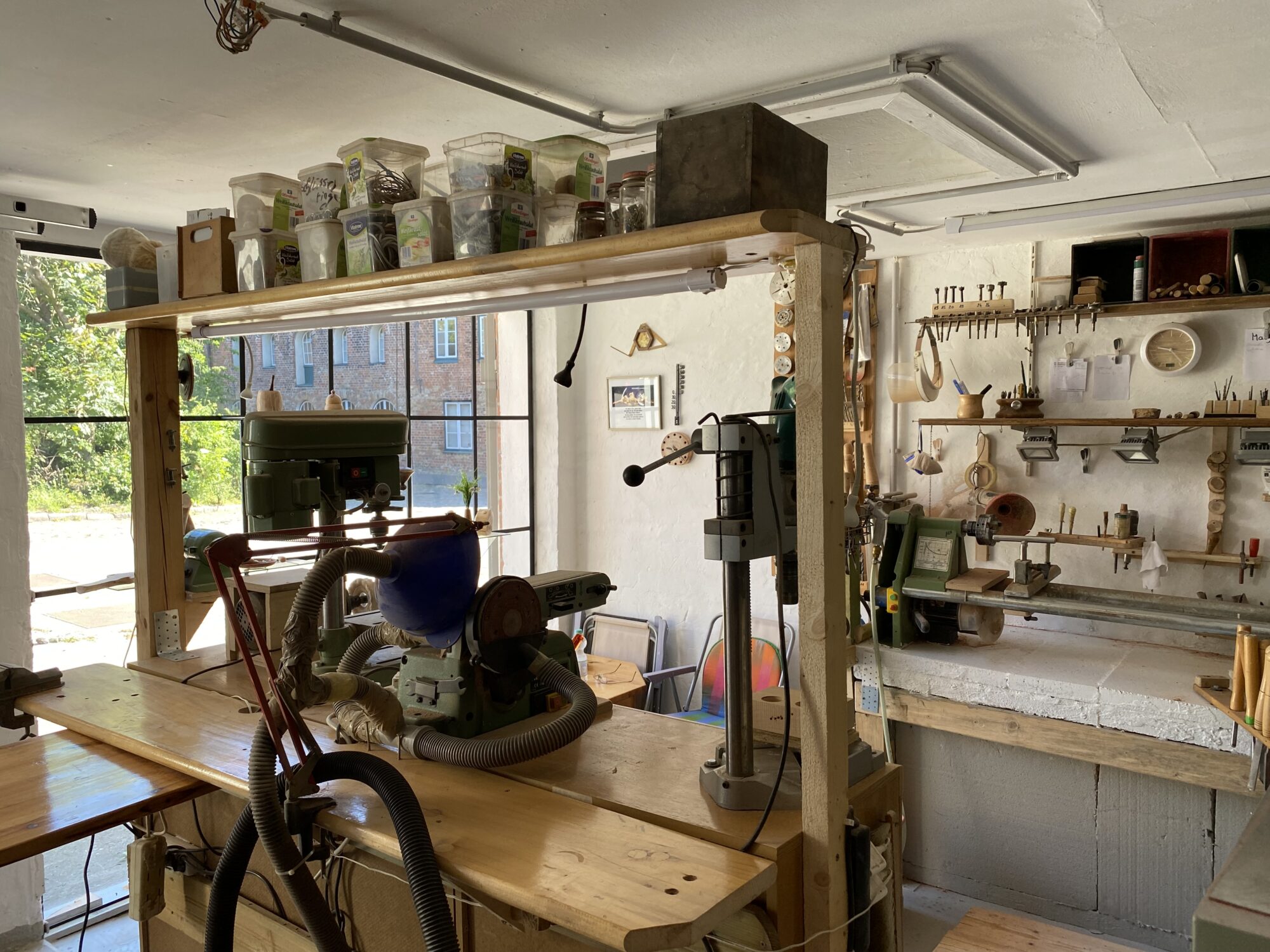
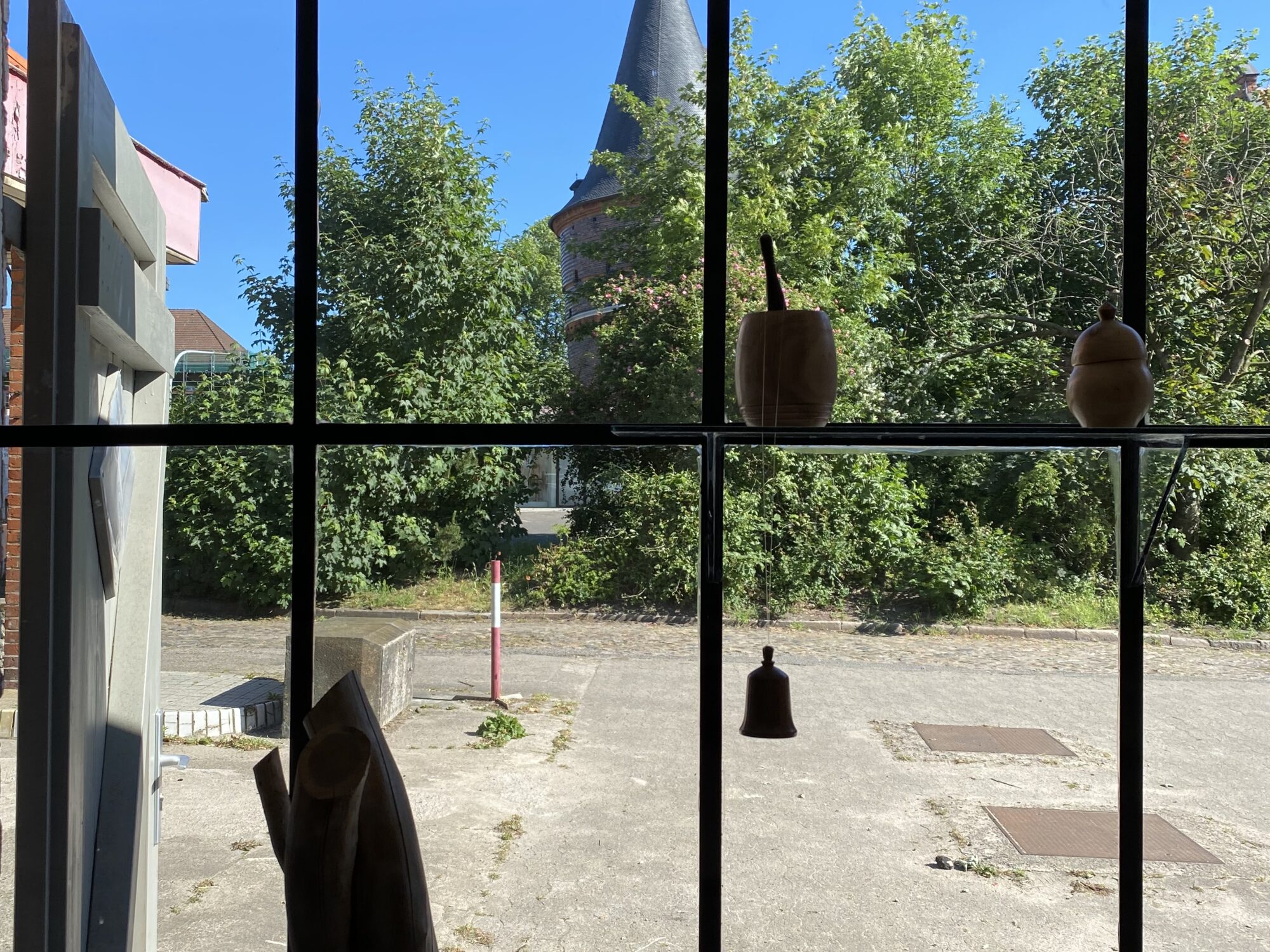
The creative range of the 55 artists at the Defacto Art art space spans from photography, graphic design, painting, and sculpture to interactive installations. The artists want to be actively involved, approachable for both walk-in visitors and those attending exhibitions.
THINKING OUTSIDE THE (ART)BOX
That art doesn't have to seem pretentious was also my impression during my first visit here for Museum Night 2015. What could be better than letting yourself drift, peeking into the workshops, striking up a conversation with a creative person, admiring talent? Even pausing to ask yourself the oft-quoted question: Is this art? Or can it be thrown away? That, too, is absolutely allowed. Indeed, it's even encouraged. Peter Fischer is convinced that a person enters into a dialogue with art precisely the moment they pause before a work, ask themselves what it's supposed to be, realize they can't make sense of it, or discover that it strikes a chord within them.
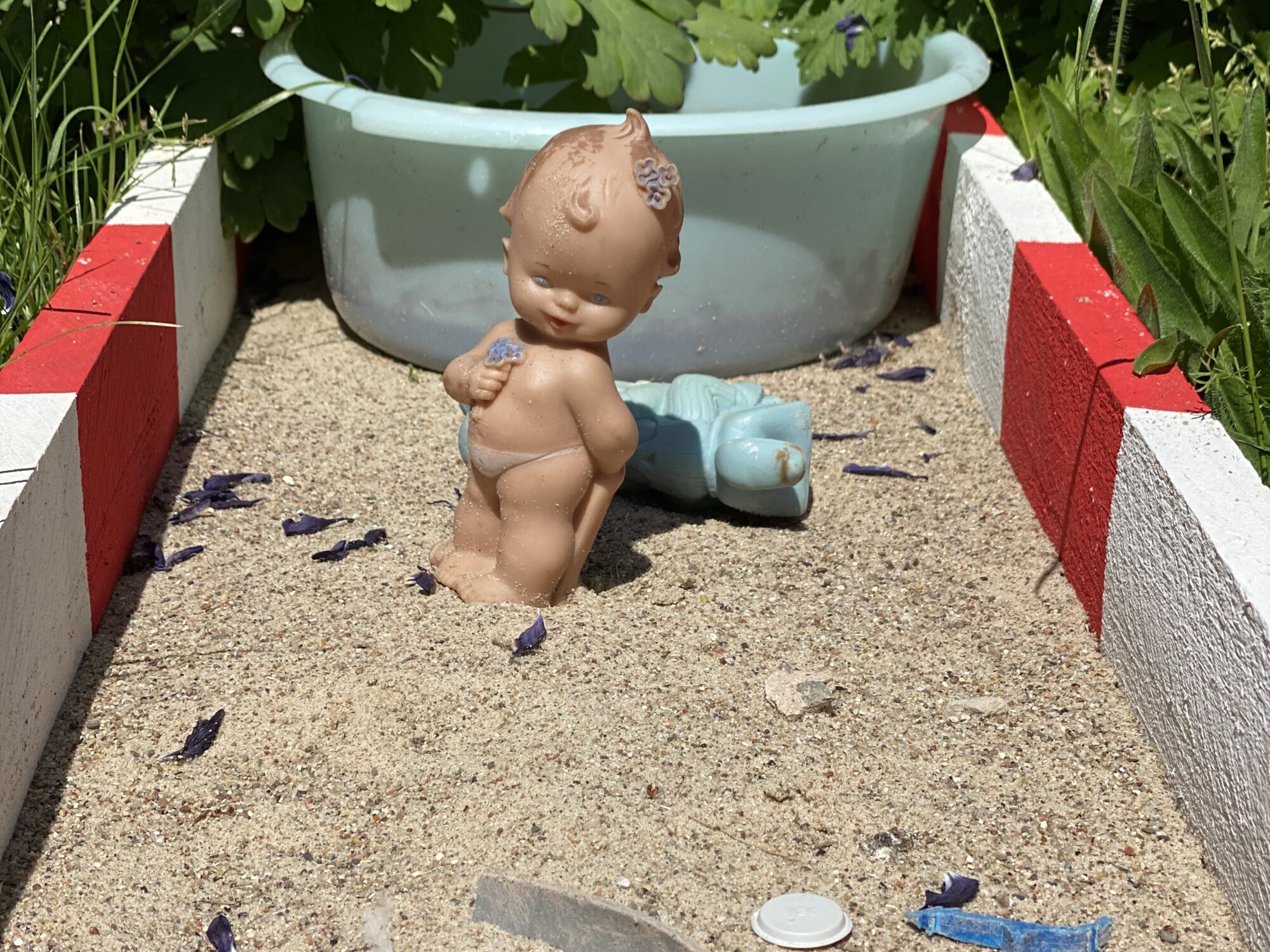
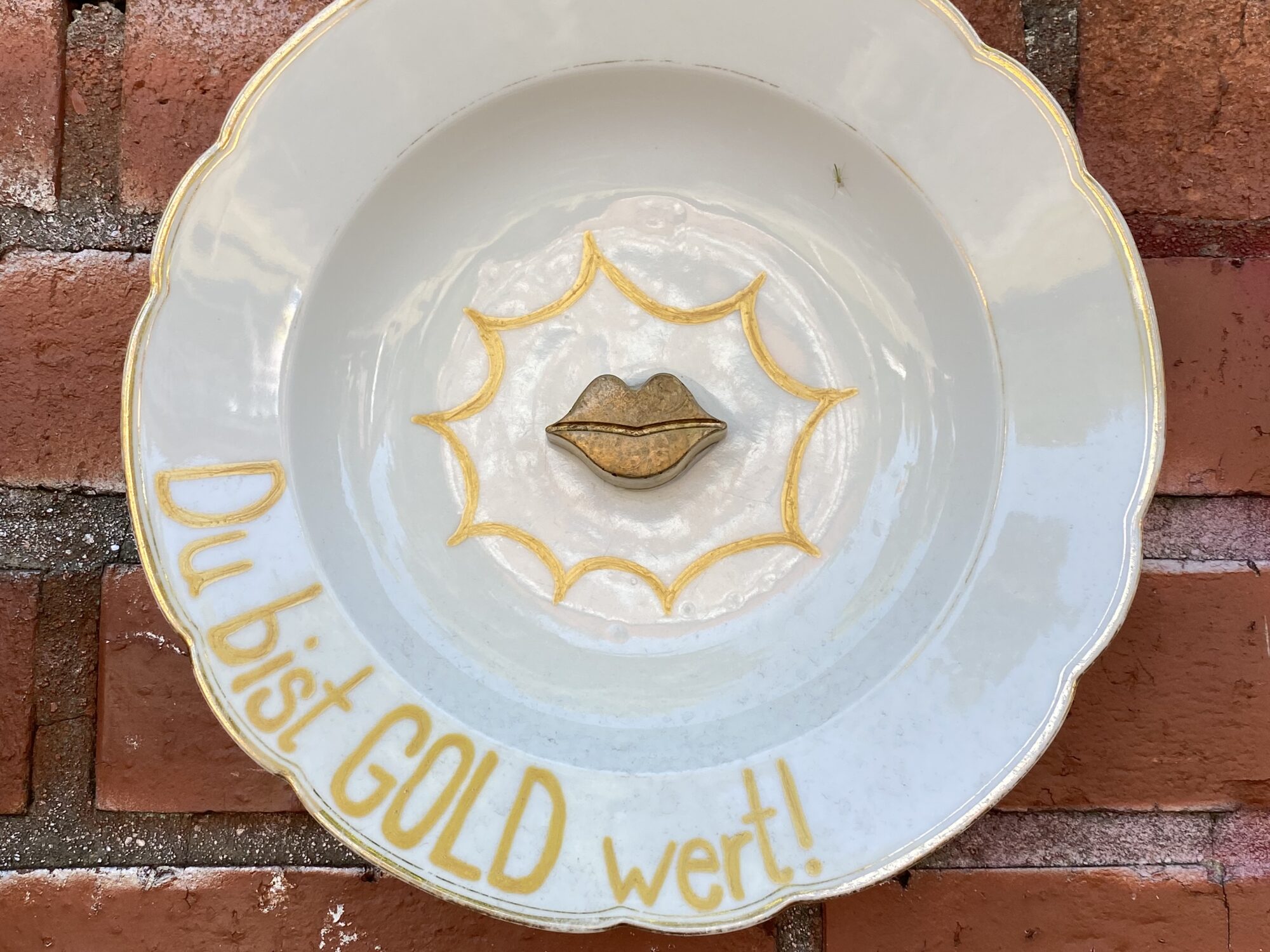
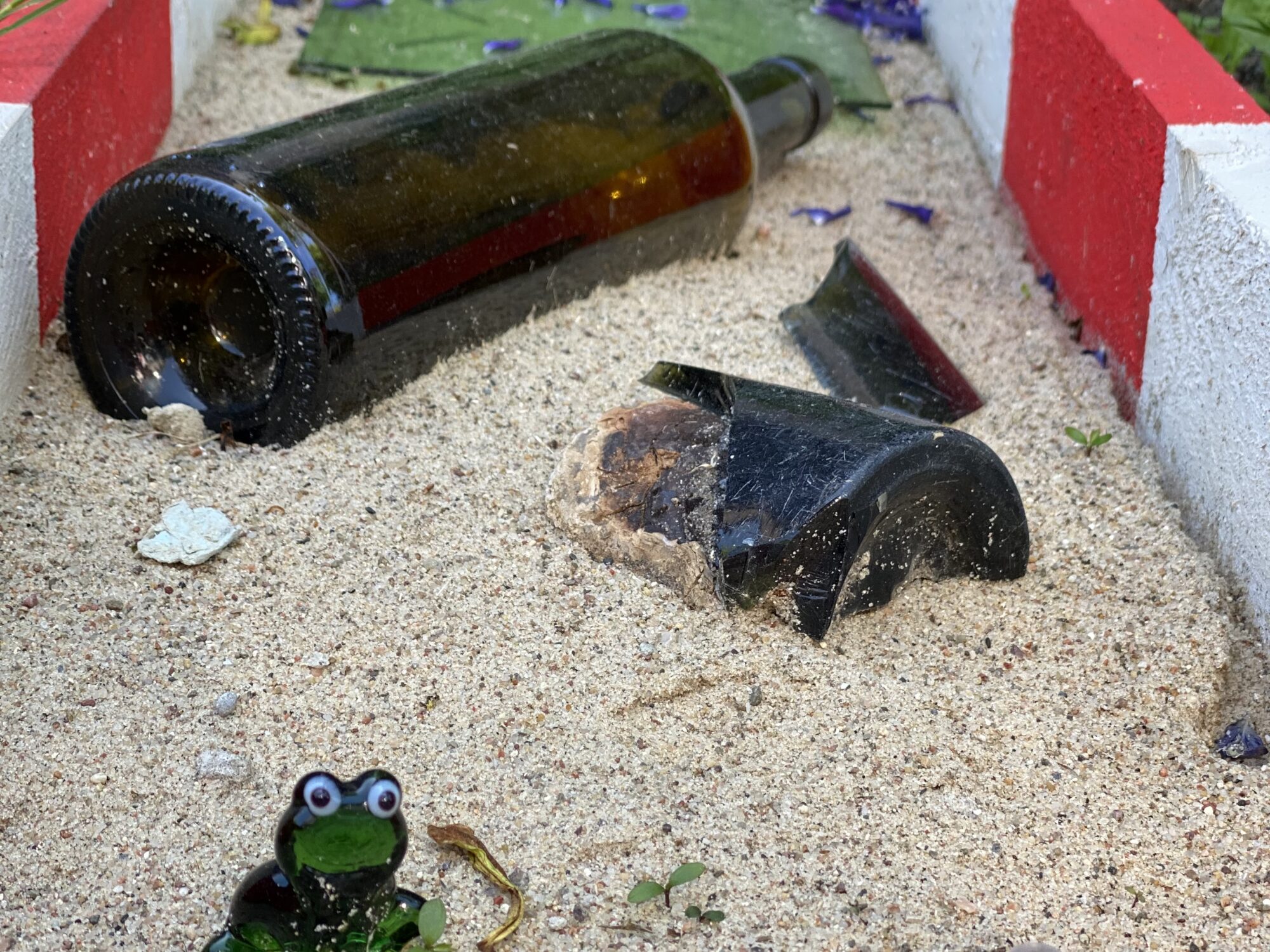
The freedom of the Defacto Art art filling station
Schließlich gibt es keinen „Bestimmer“, der sagt, was richtig oder falsch ist, wenn es um Kunst geht. Daher macht sie ja auch so viel Spaß. Man muss kein Studium absolviert haben, um sich über Kunst äußern zu dürfen. Alles, was es braucht, ist Mut zum Hinschauen und das Zulassen der eigenen Eindrücke und Emotionen. Und spätestens seit Joseph Beuys wissen wir: „Alles ist Kunst“. Also auch das Kuriose. Das erinnert mich an die aktuelle Folge des Podcast „Lübeck Zwischentöne“, in dem wir ebenfalls einen Ausflug in die Kunst und Kultur machen.
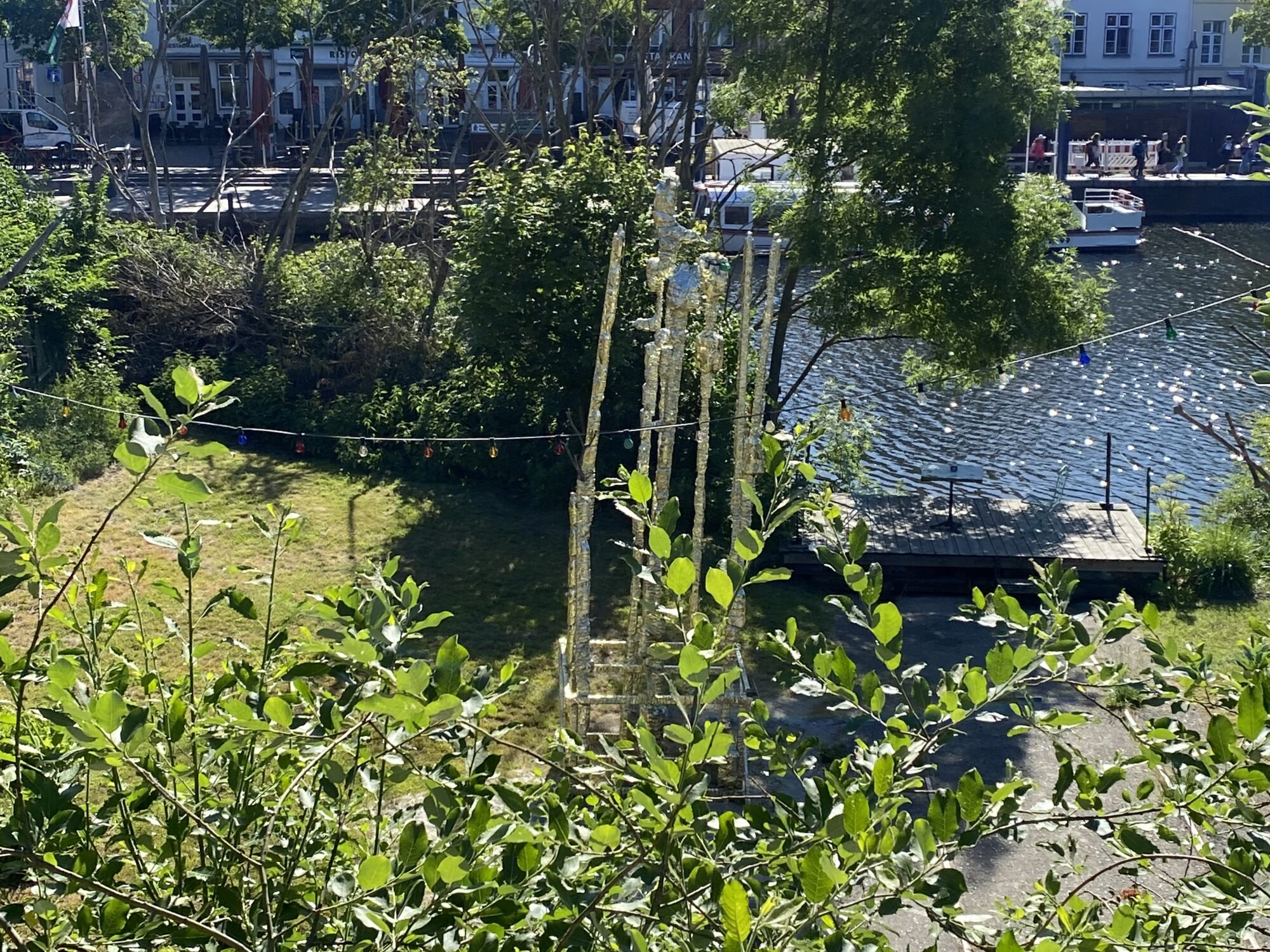
This is one of Lübeck's most photographed installations, "The Annunciation," consisting of a group of mannequins balancing on a wire rope. It symbolizes artists searching for a place to create and exhibit their work, and to whom an angel of the Annunciation delivers the good news that there is a place for them at the art center.

until the shipworms arrived…
My absolute favorite spot is the roughly 400 square meter garden, which you reach through the workshop building. Here you'll also find Peter Fischer's "Trabohran," the Travemünde shipworm swan, which tells its own unique story, closely intertwined with the Trave River, the Baltic Sea, and shipworms. I'll only tell you that in its first life it was a larch tree and then served as a pile driver in the Travemünde harbor for about 40 years.
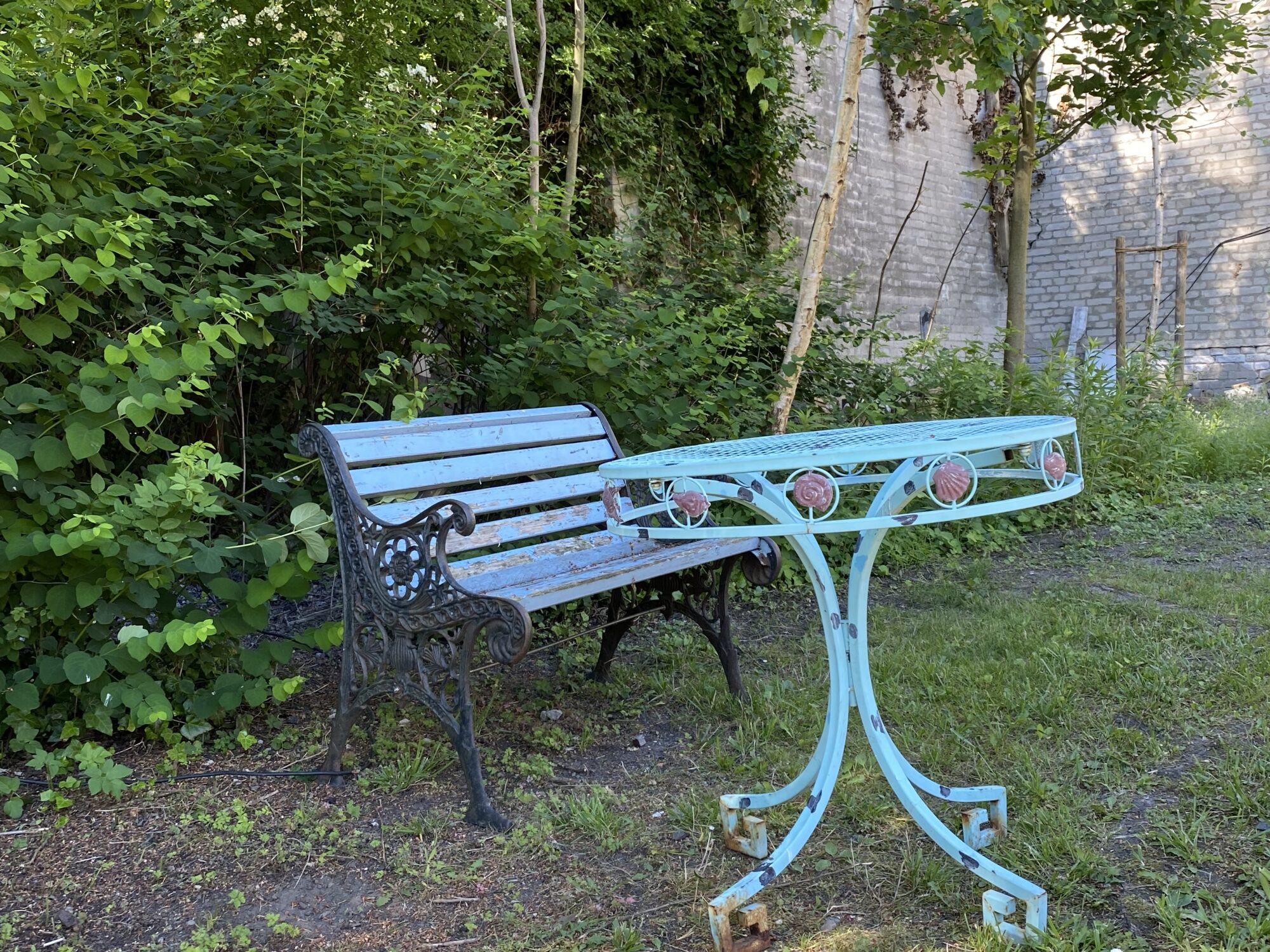
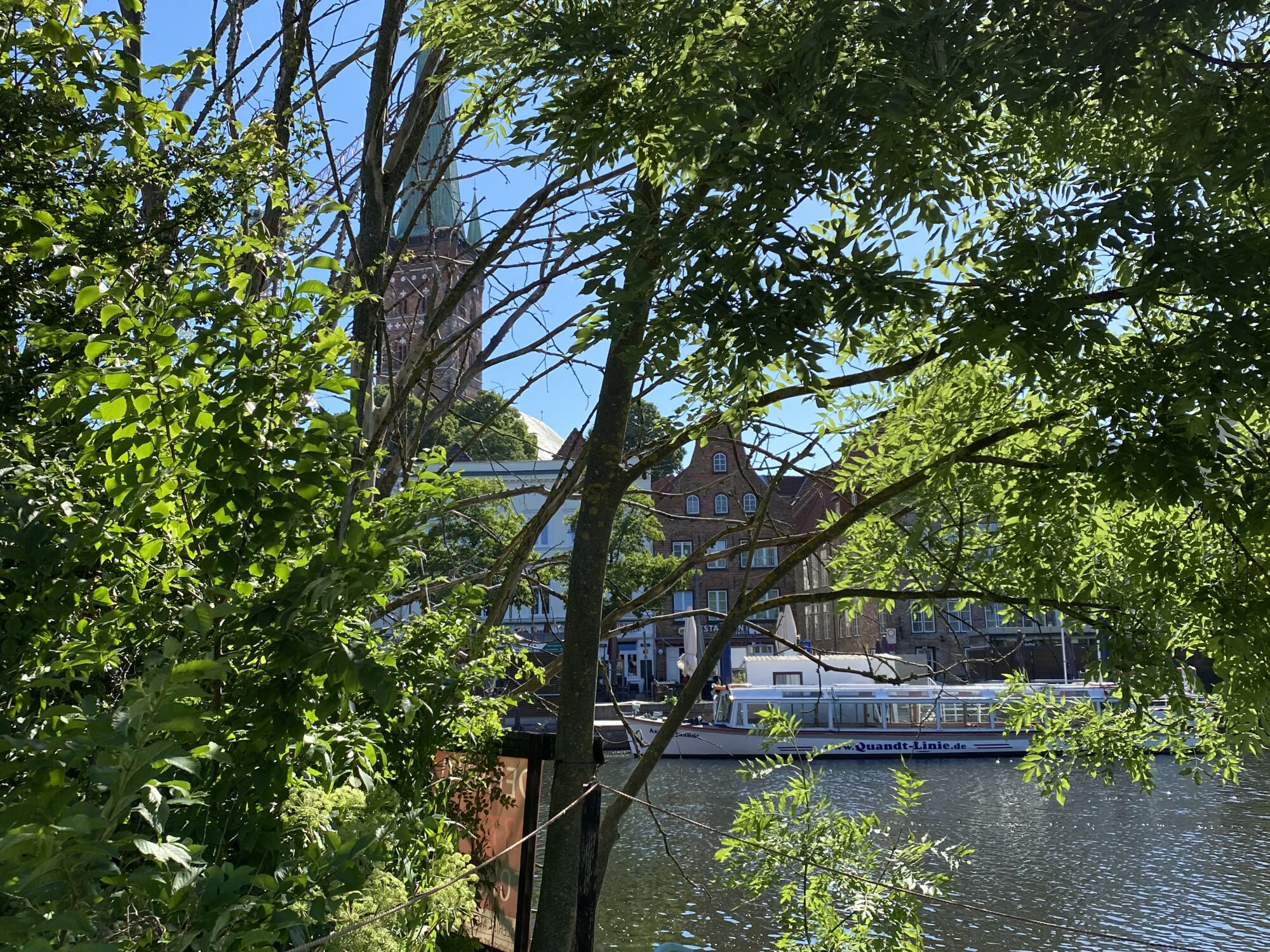
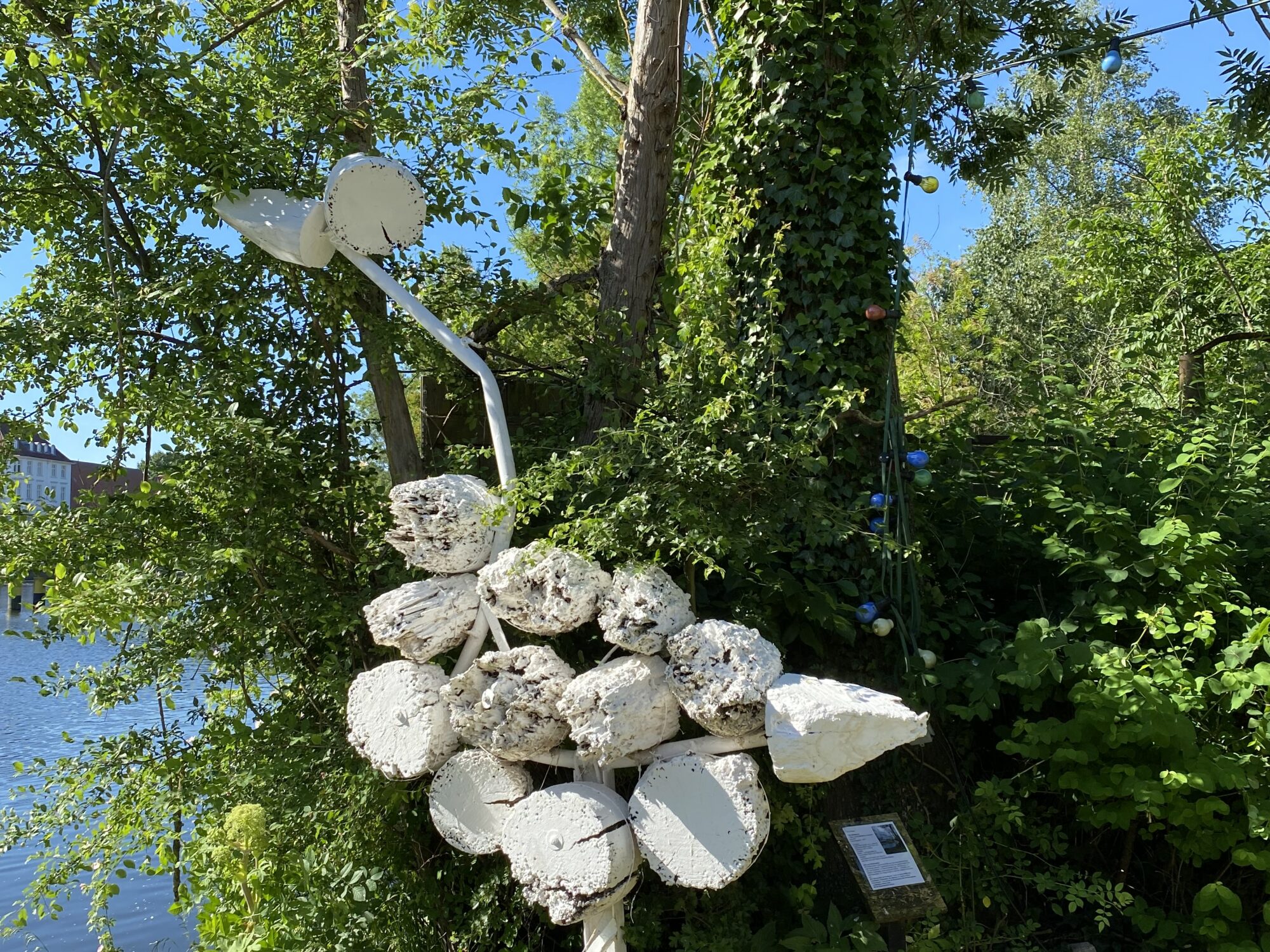
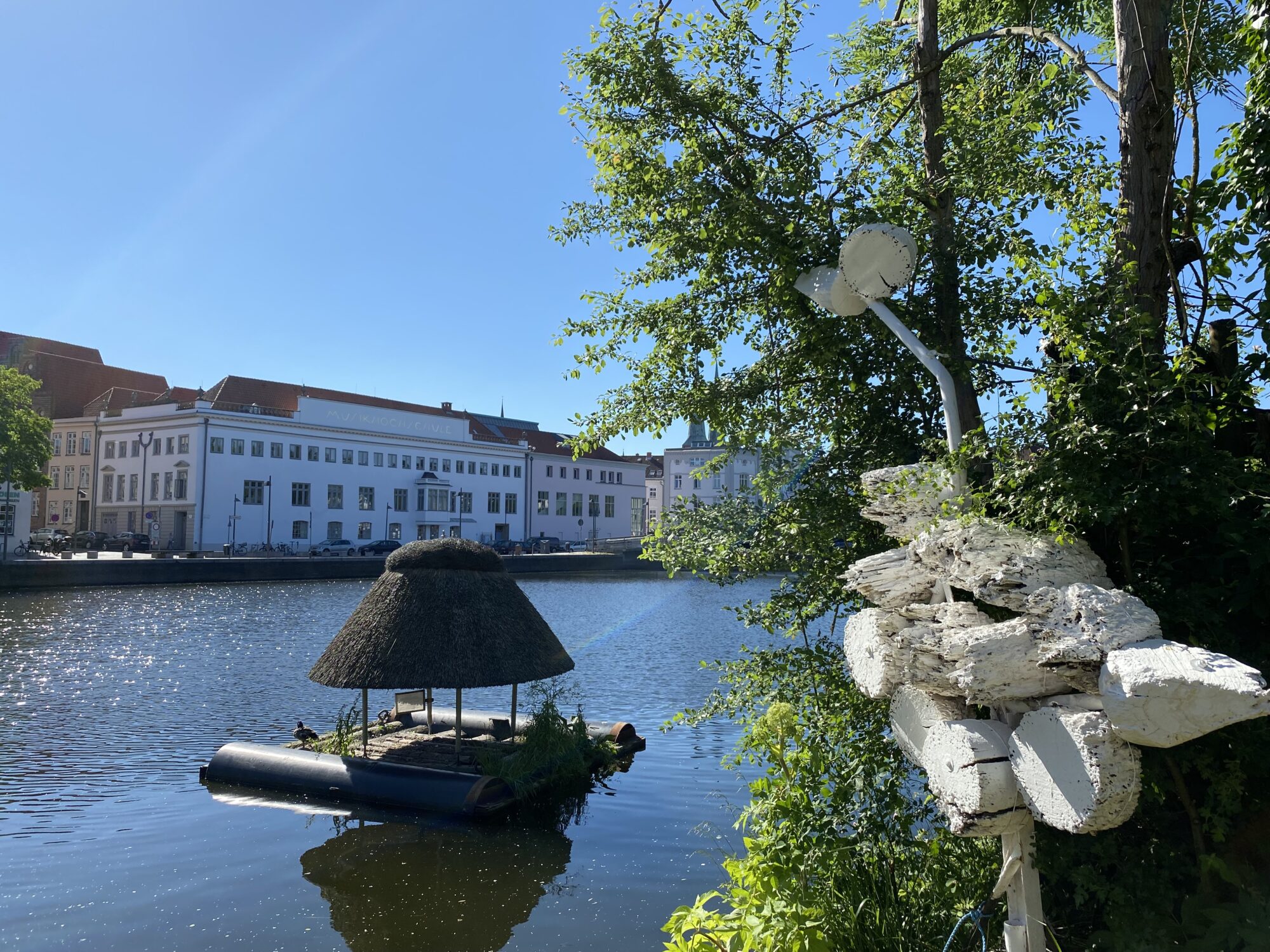
From the garden, there's a magnificent view of the Trave riverbank, passing paddleboats, people enjoying the sun, and a family of ducks. It's an almost private atmosphere. Sitting here under the willow trees, Lübeck, in all its splendor, but also with all the quirks and imperfections that the art space has preserved, is almost entirely mine. But perhaps you'll join me?
You can find all the information about the Defacto Art art filling station here:
Hi Barbara, I really like your writing style. You give the tips a very personal touch. I look forward to more updates. Best regards, Darja
Hi Darja, how lovely that you like the posts! We certainly won't run out of ideas. Best regards, Barbara