Textile Worlds from the Hanseatic Era to the Present Day. Special Exhibition at the European Hansemuseum
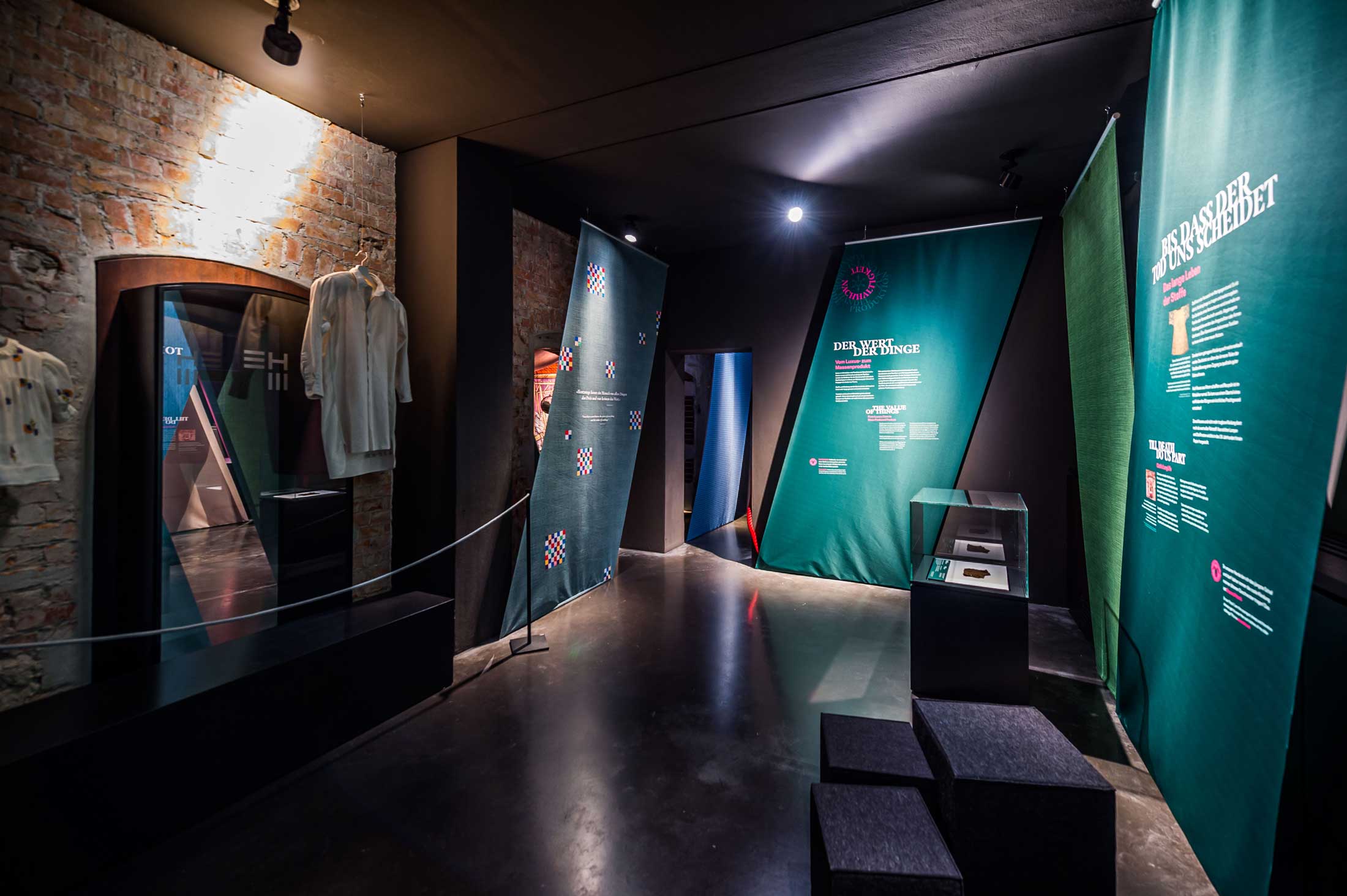
Ich hatte das große Glück, vor wenigen Tagen bereits einmal hinter die Kulissen der neuen Sonderausstellung „Guter Stoff“ im Europäischen Hansemuseum blicken zu dürfen, die am 7. Oktober ihre Türen öffnet und bis zum 29. Oktober 2023 zu sehen sein wird. Gemeinsam mit Dr. Angela Huang, der Leiterin der Forschungsstelle für die Geschichte der Hanse und des Ostseeraums (FGHO), konnte ich mich im Burgkloster auf die Spuren des „Guten Stoffs“ machen. Sie und Franziska Evers haben die Ausstellung als Kuratorinnen gemeinsam gestaltet und schauen mitnichten ausschließlich in die Vergangenheit.
The exhibition spans from the consumer revolution of the Middle Ages to today's textile industry and leads into the future of the textile sector.
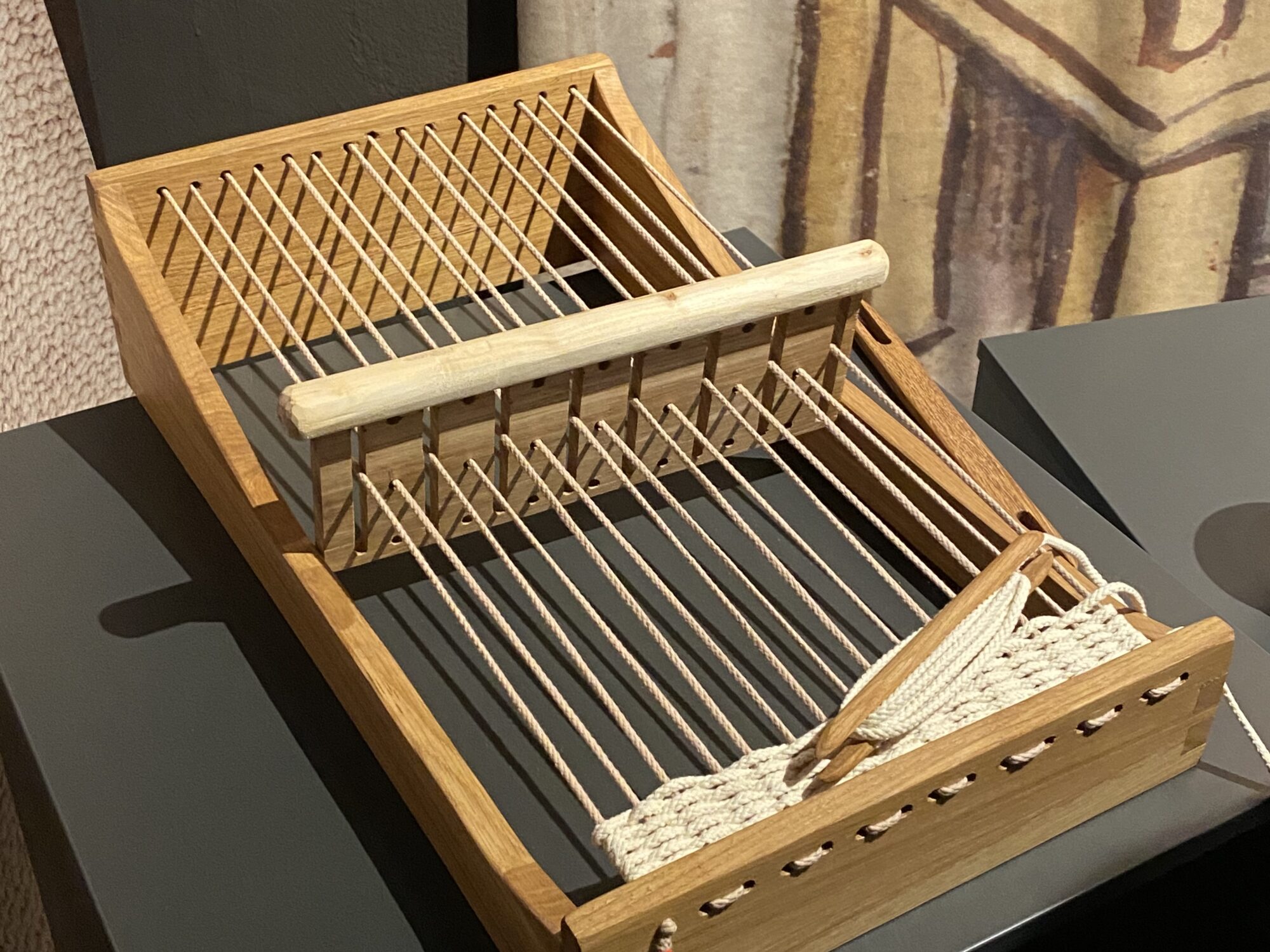
Dyeing, spinning, weaving
Dr. Huang is a historian and, as such, a recognized expert on textile production and the distribution of fabrics in the late Middle Ages. She is fascinated by the diverse relationships and impacts of long-distance trade in textiles. A young woman who juggles historical figures, dates, and facts, she presents them with remarkable vividness and clarity. Trade in fabrics and clothing has always connected people, societies, and regions, contributing to the growing prosperity of many. Wool and linen fabrics were produced in a few specialized regions, and many people were involved in their production.
In the Middle Ages, Flanders and England, among other places, were important centers of cloth and fabric production. Hanseatic merchants played a significant role in expanding trade in both the raw materials and finished products necessary for cloth production. Woolen cloth from Leiden was processed and worn throughout Europe. Cloth seals, found in a wide variety of locations, allow us to draw conclusions about the flow of goods. They also served to identify fabrics, their origin, and compliance with production standards, thus preventing fraud. You can learn more about cloth seals in the exhibition.
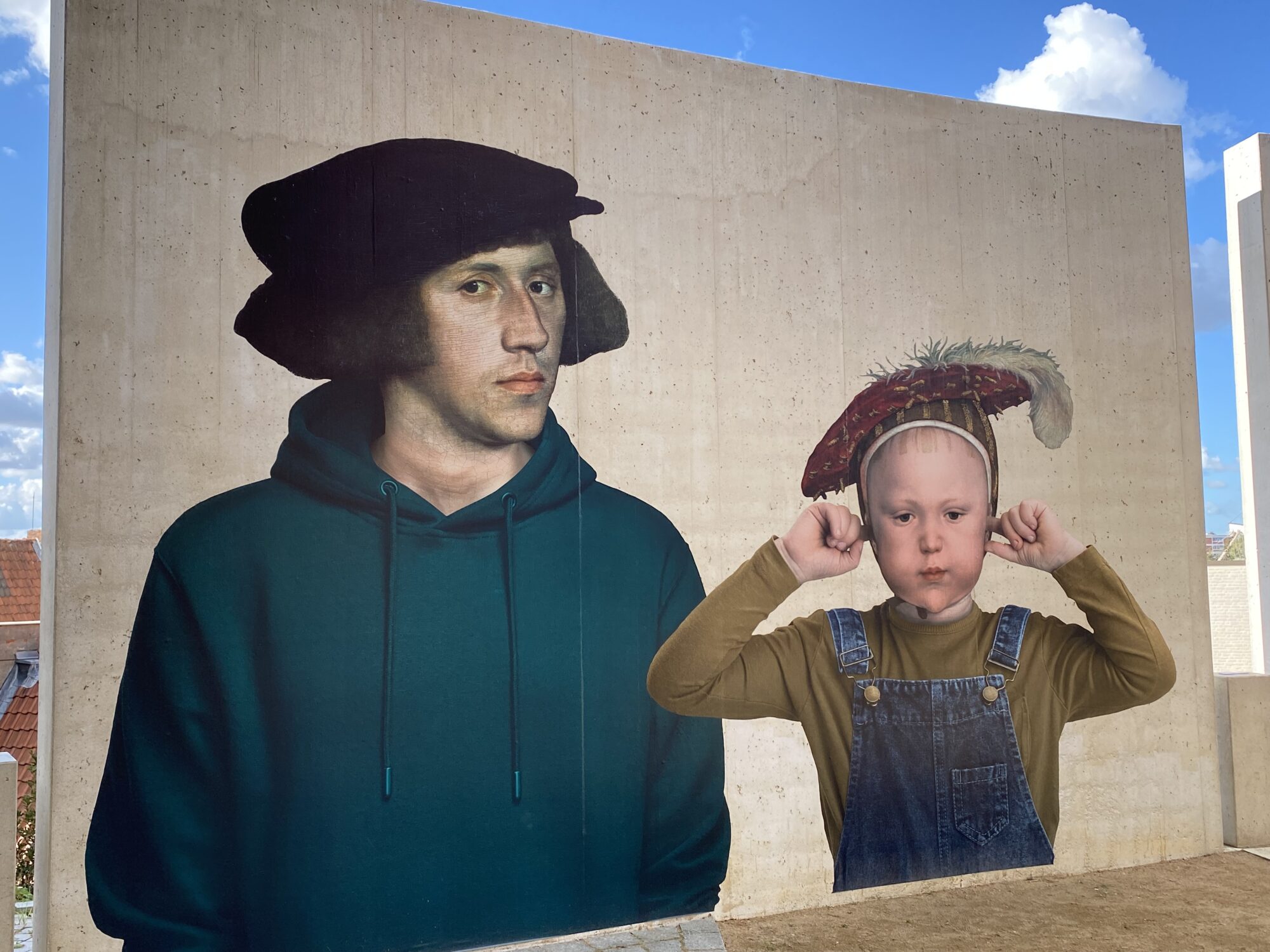
Alongside the trade in raw materials and textiles, there was also an exchange of ideas, knowledge, and ultimately, fashion trends. Naturally, every woman and man of standing wanted to know the latest fashionable fabrics and designs and to display to their friends and family what they could afford. I have always been fascinated by the social hierarchy of the Middle Ages.
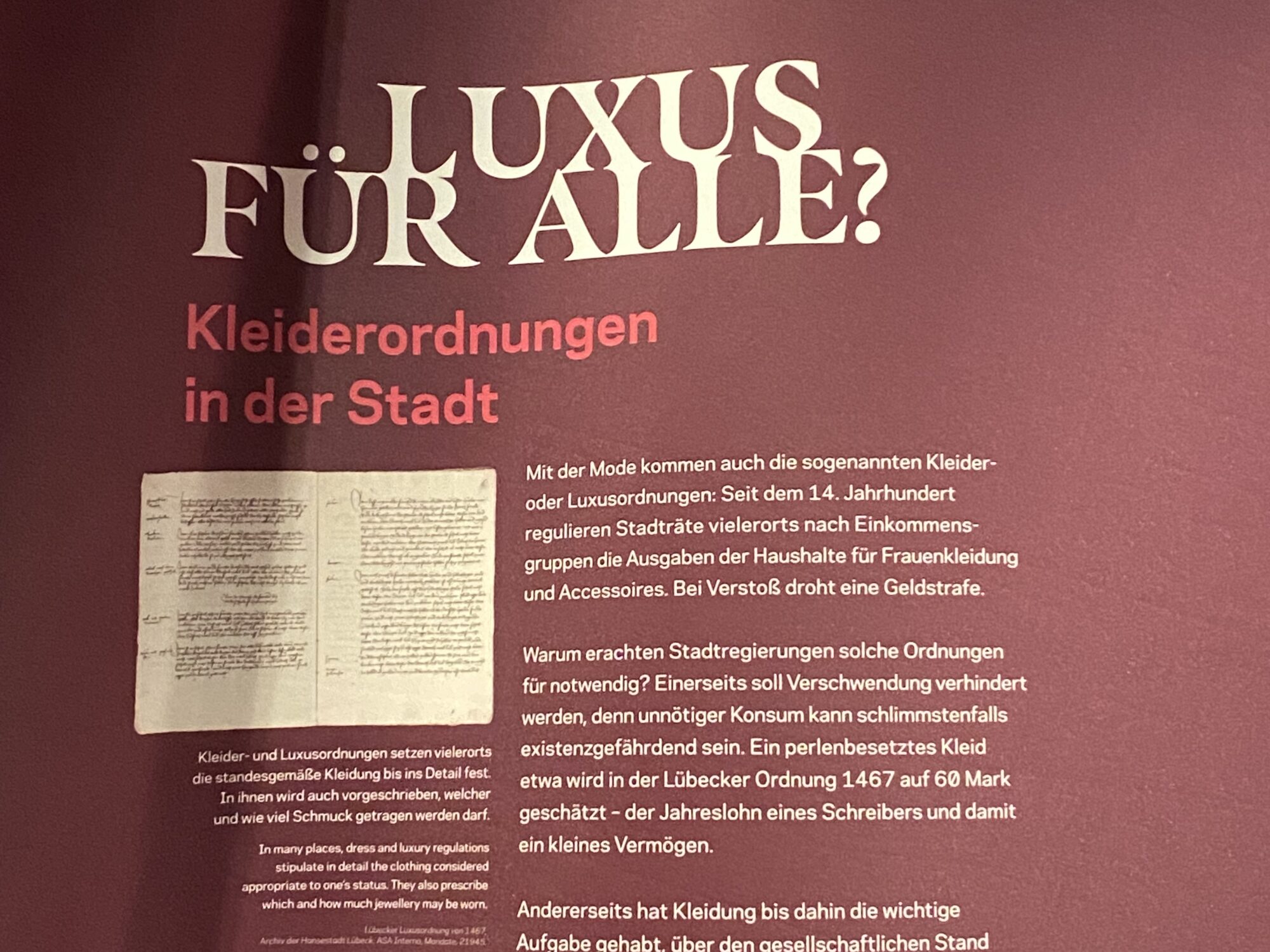
Imagine a time when no one could simply decide for themselves what clothes they wanted to wear. The material, cut, and color of clothing revealed a person's social standing. A merchant's wife dressed completely differently from a craftsman's wife.
She didn't have the same financial means, and frankly, she wasn't allowed to. The dress codes dictated who was permitted to wear which colors, decorations, and jewelry.
In der Ausstellung „Guter Stoff“ kannst du dir Videos anschauen, wie Menschen im 15. Jahrhundert in ihrer Kleidung aussahen. – jedenfalls soweit wir das heute wissen. Mitglieder des Vereins Hansevolk, e.V., die ihre Gewänder möglichst genau nach historischen Vorbildern selbst schneidern, standen als Protagonist:innen vor der Kamera.
I found one exhibit particularly impressive, which the Archaeological Museum in Gdansk provided for the Lübeck exhibition. It is a top that was once worn by a child. You can still see today that it was green and trimmed with a silk ribbon at the collar, buttons, and sleeves.
Hashtag #whomademyclothes
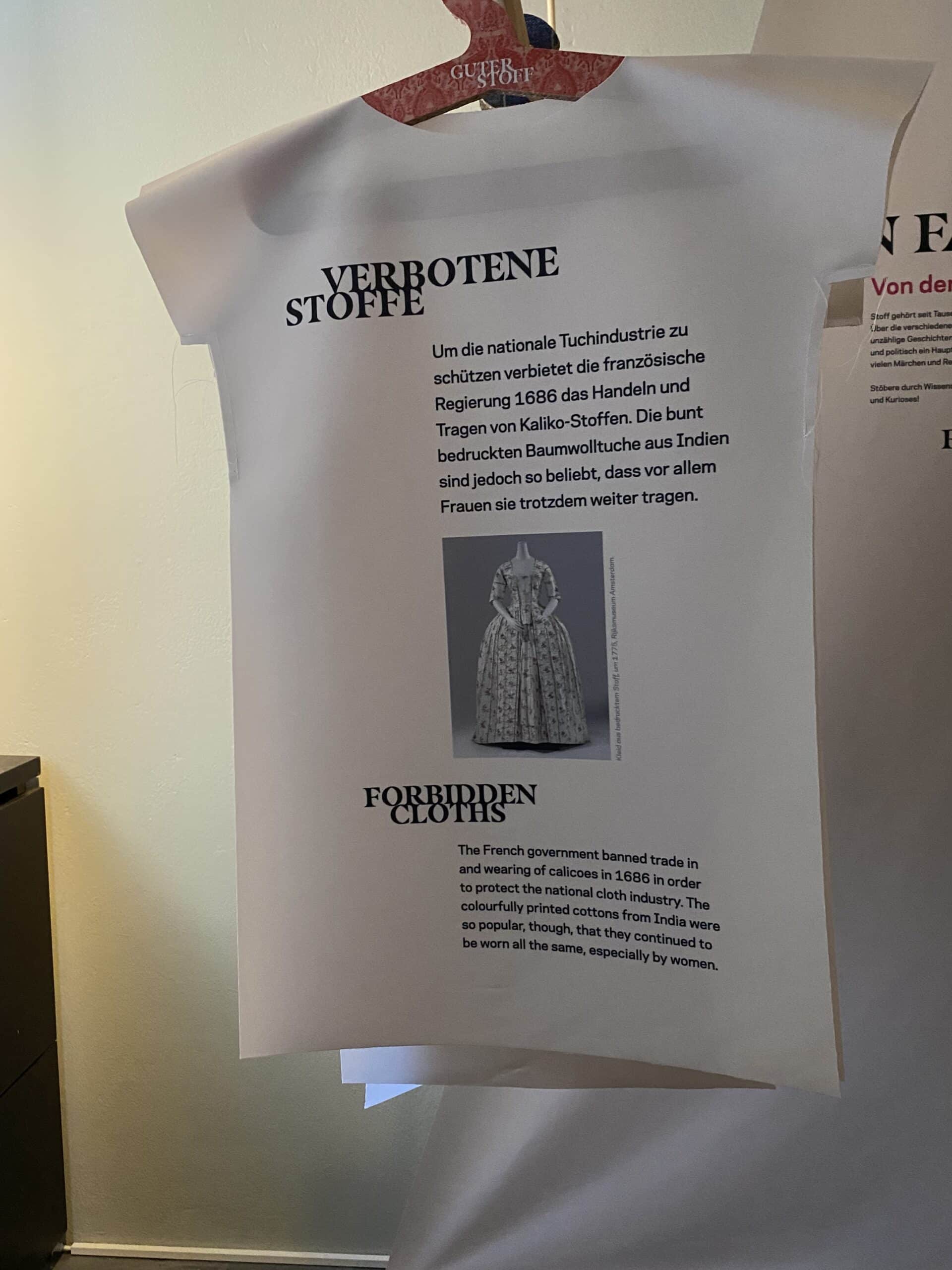
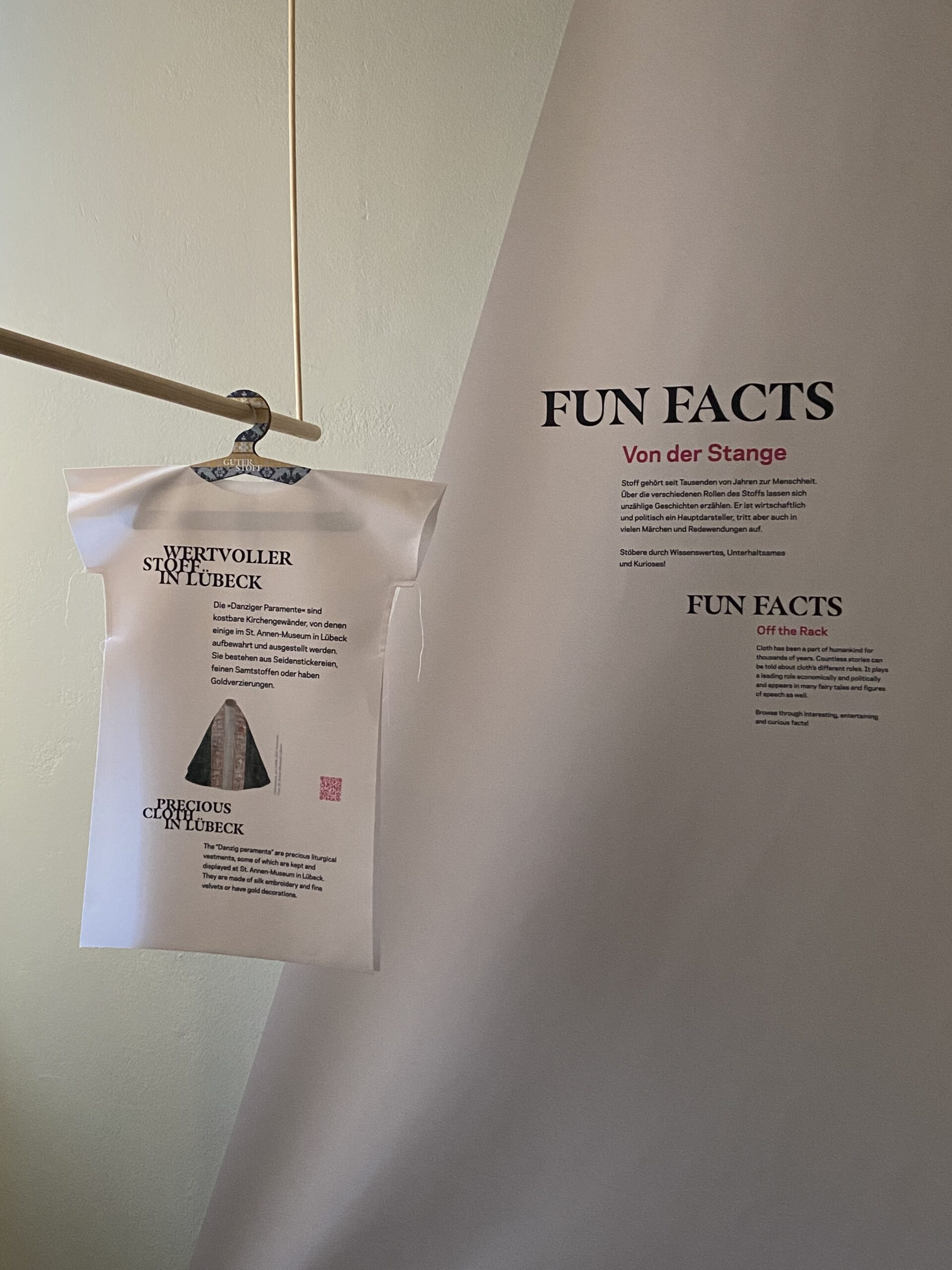
The lovingly and meticulously designed exhibition isn't primarily about fashion, yet the theme is always present. After all, we communicate through the clothes we wear, expressing our personality and attitudes. The numerous interactive stations are particularly engaging, allowing you to examine your own purchasing habits. How many white T-shirts do you own, and do you really need them all? Do you know where your clothes come from? What is fashion worth to you? What constitutes a fair price? Take a seat on bales of clothing and explore the fun facts. Scan the QR codes at the points that interest you to learn even more.


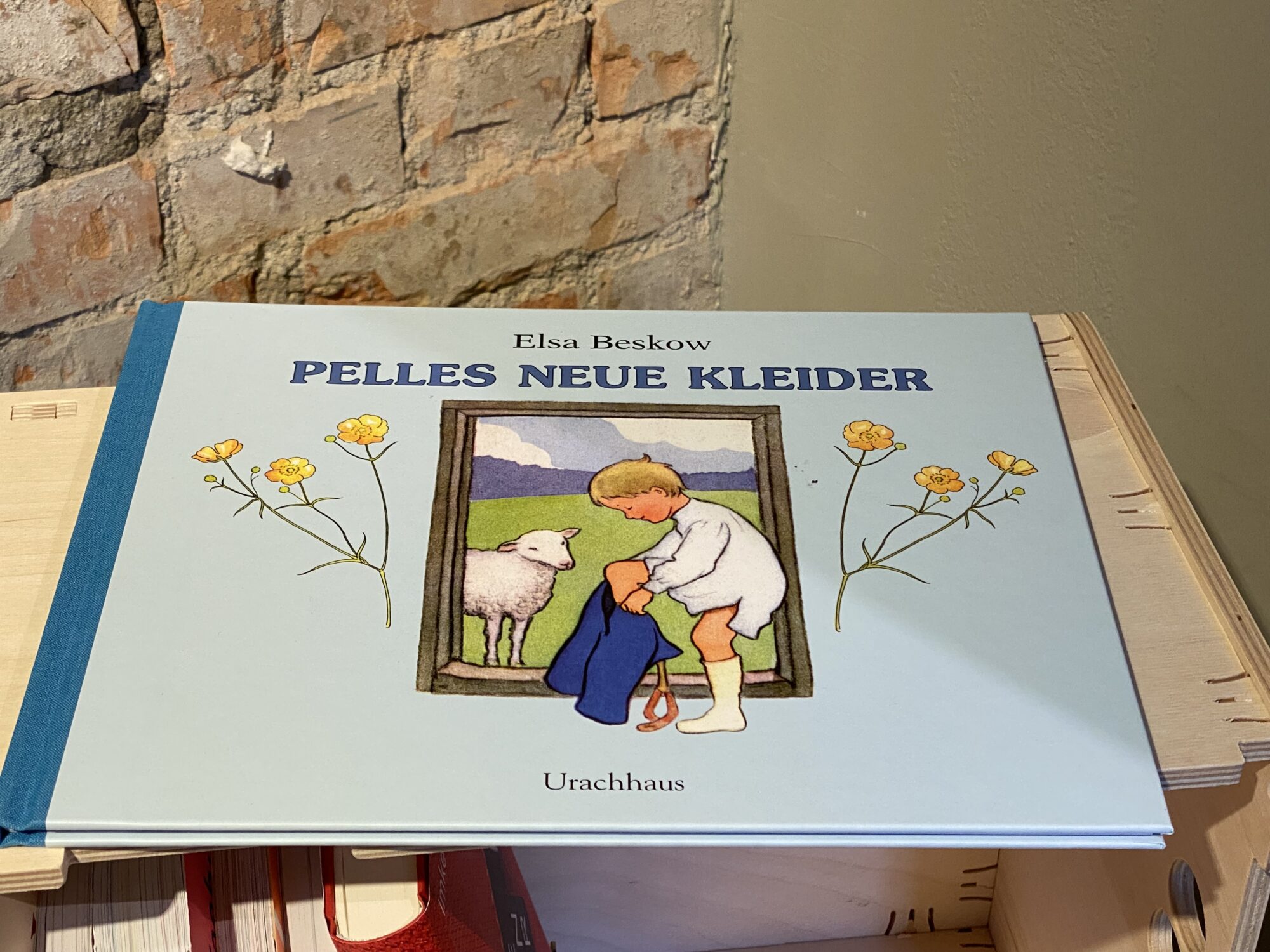
Perhaps you'd like to browse through a book or listen to a fairy tale. Have you ever noticed how often clothing plays a role in fairy tales? The Emperor's New Clothes. The Brave Little Tailor. Little Red Riding Hood. Cinderella.
Auf keinen Fall darfst du das Lebende Buch in der Ausstellung „Guter Stoff“ verpassen. Es ist ein echtes Highlight, das dir die Reise von Stoffen und Kleidung durch Länder und Regionen näherbringt. Du kannst in ihm nicht nur lesen, sondern aktiv in die Handlung des hansischen Textilhandels eingreifen, hörst Stimmen und Musik und kannst Figuren beobachten, die sich durch die Seiten bewegen.
Give us your fabric!
Bereits im Vorweg zur Ausstellung hatte das Europäische Hansemuseum (EHM) dazu aufgerufen, textile Stücke einzusenden, die mit einer besonderen Geschichte verknüpft sind. Mehr als 90 Personen kamen diesem Wunsch nach. Drei der Einsendungen werden in der Ausstellung „Guter Stoff“ gezeigt, darunter ein Hemd, das aus Mehlsäcken genäht wurde, die nach dem zweiten Weltkrieg mit einem CARE-Paket bei der Einsenderin ankamen. Viele der anderen Stücke sollen im Laufe der Ausstellung im begleitenden Blog des EHM vorgestellt werden.
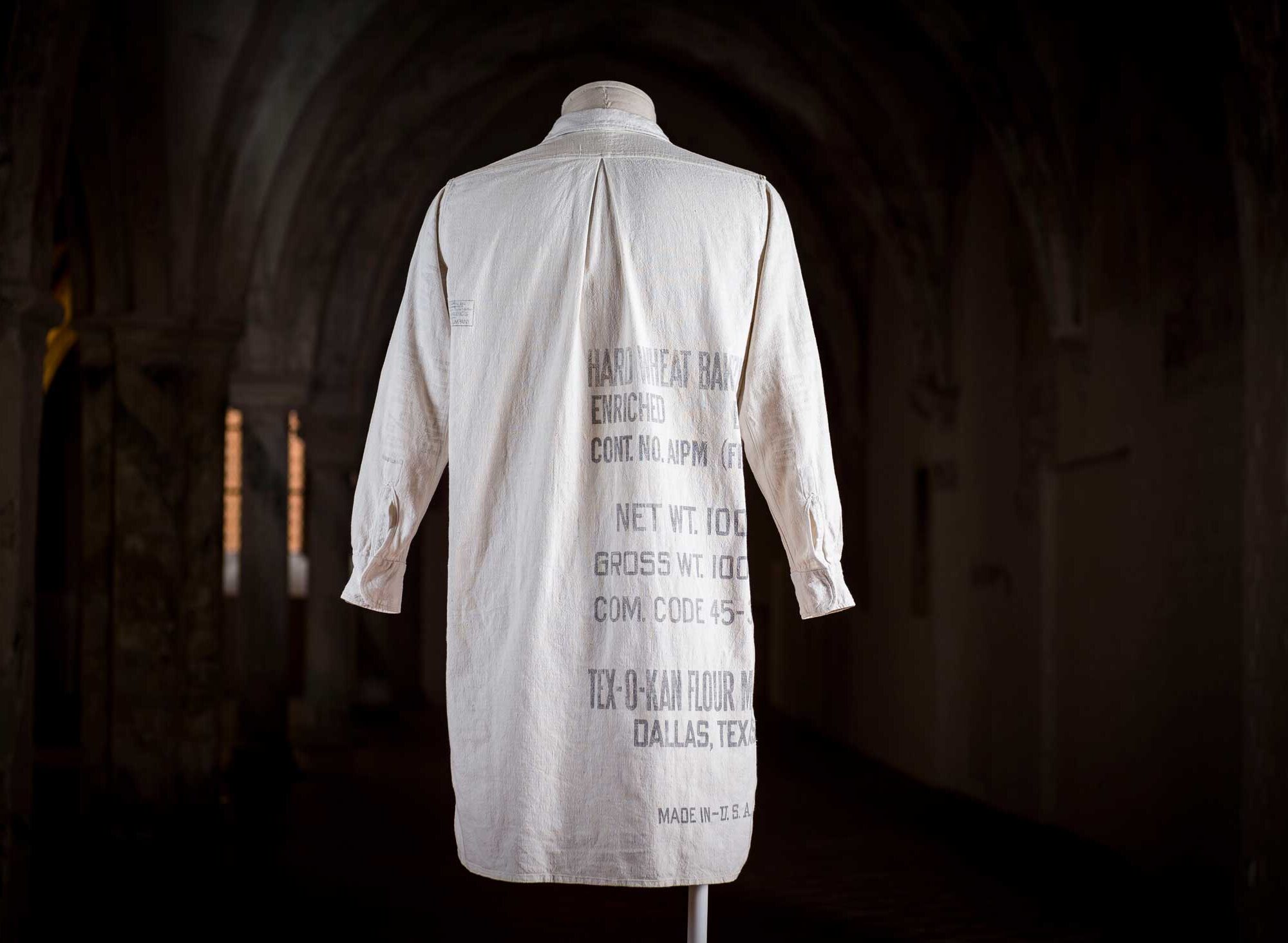
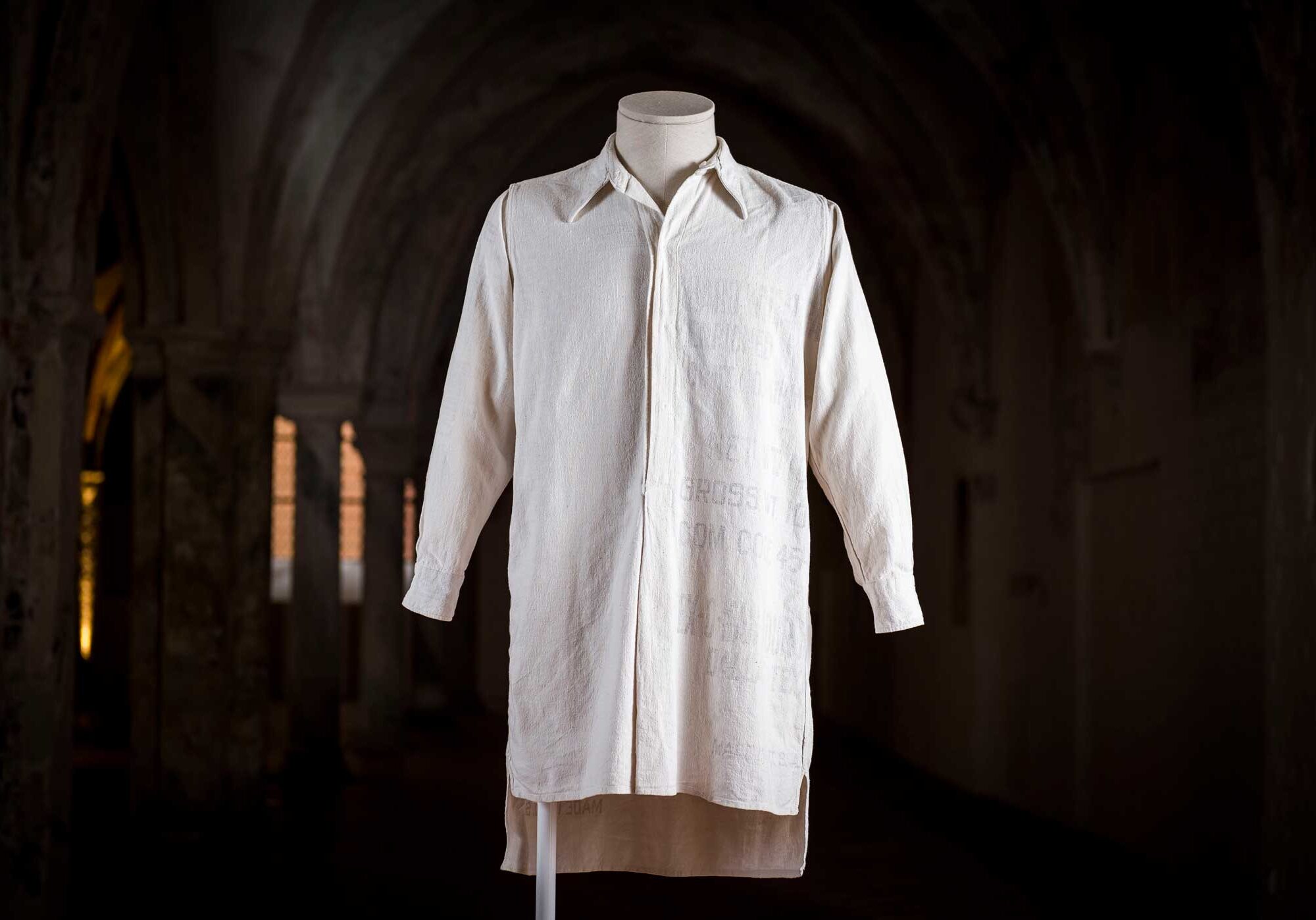
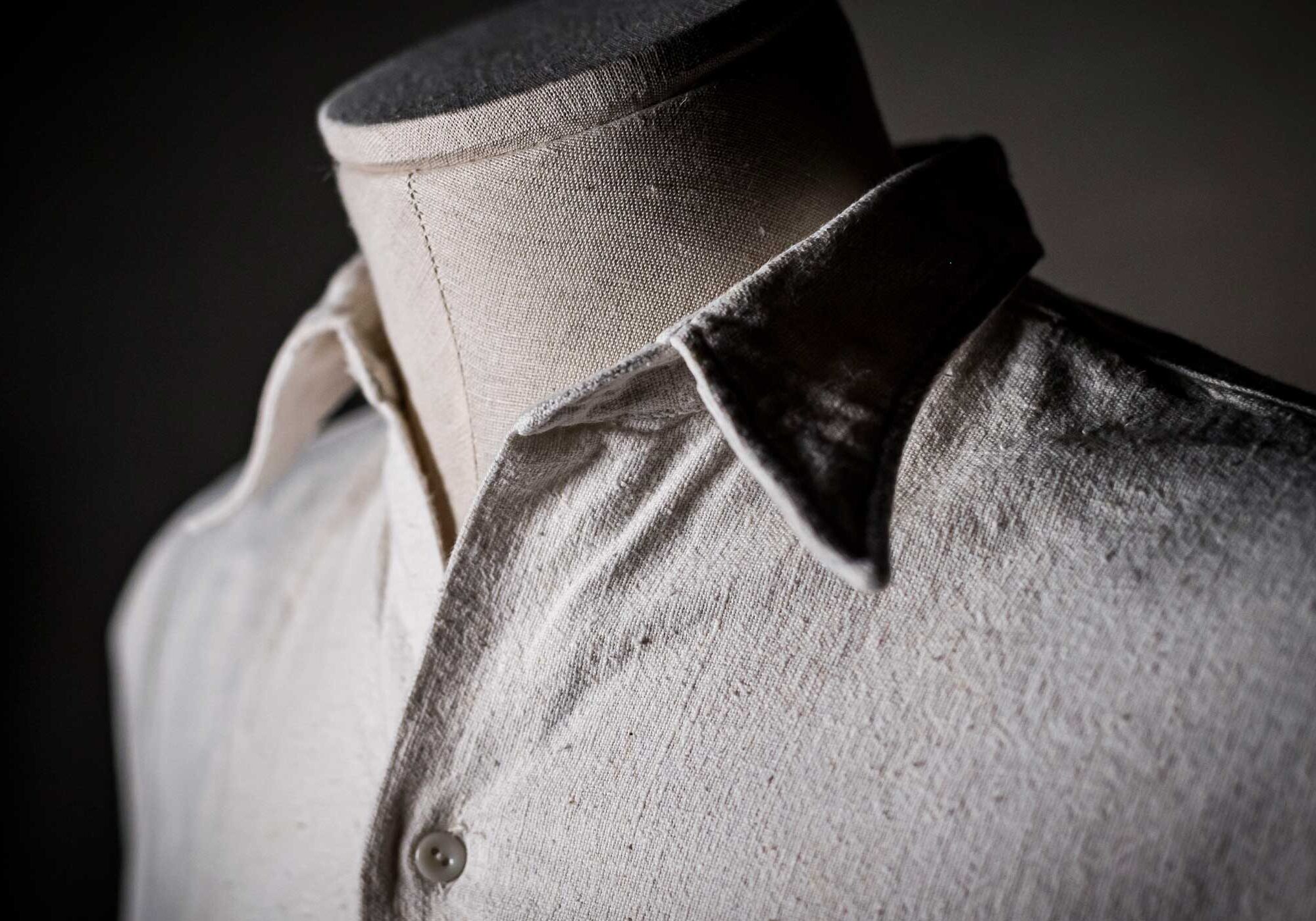
Out of sheer necessity, people wore clothes for centuries until they fell apart. Garments were passed down, altered, and sewn back together. Even our grandparents wore their winter coats for many years in a row. They bought pieces of solid quality, preferably in muted colors. Don't you also picture your grandmother's camel hair coat and her so-called transitional jacket?
The Future Lab
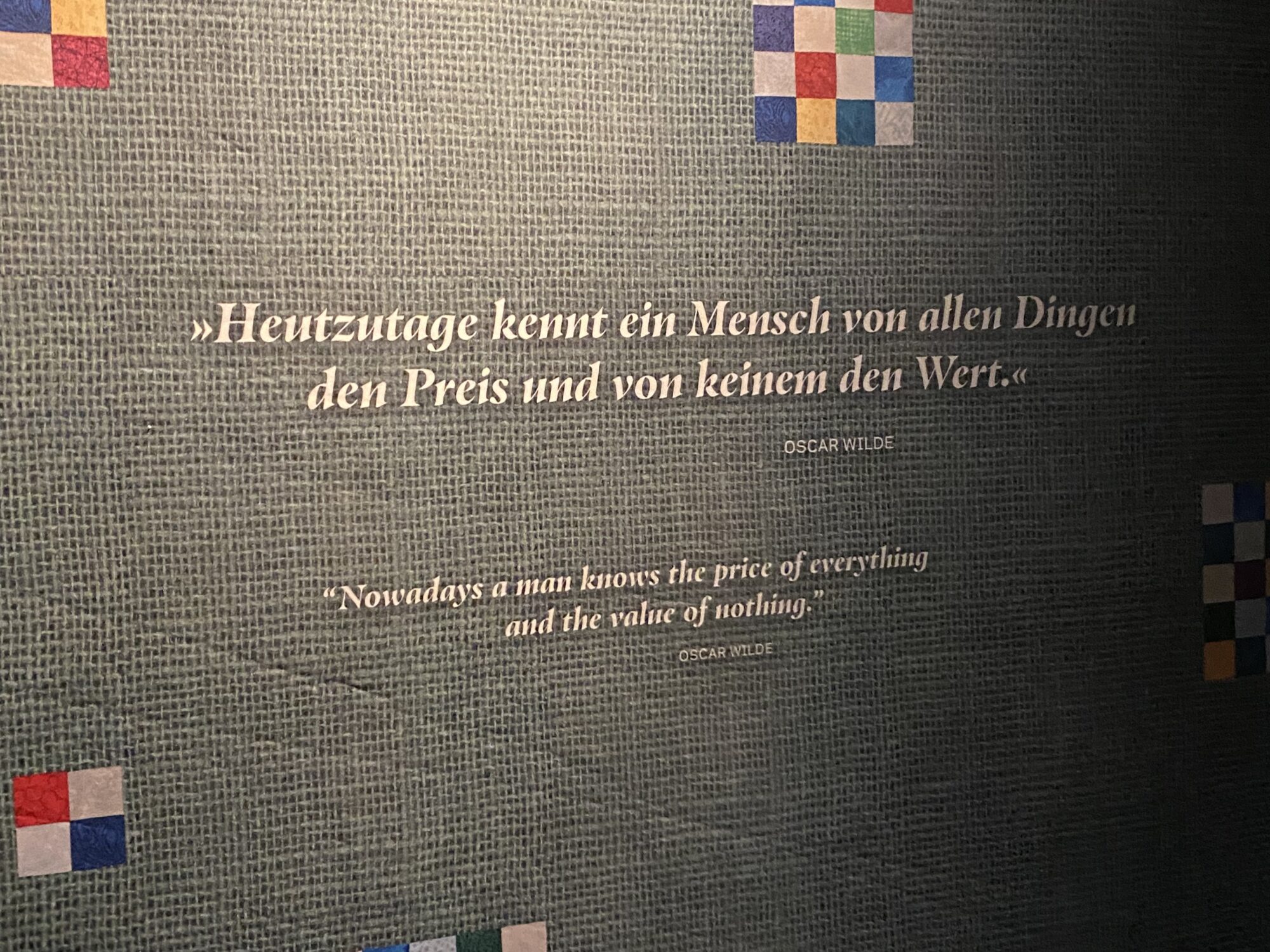
The creators of the "Good Fabric" exhibition in Lübeck are truly passionate about offering a diverse range of multimedia experiences so that visitors can gain new insights and, ideally, reconsider their own consumption habits without being preachy. After all, the textile industry is currently the second-largest global polluter.
100 Milliarden neue Kleidungsstücke überschwemmen jährlich den globalen Markt. Da tut Aufklärung wirklich not. Viele Menschen möchten fair und nachhaltig produzierte Kleidung kaufen. Im Future Lab kannst du dir verschiedenen Modelle der Produktion von morgen anschauen. Was tragen wir in Zukunft? Smarte Kleidung aus dem 3-D-Drucker aus nachhaltiger Produktion. Slow Fashion. Im Future Lab ist der Platz zum Diskutieren und Mitmachen. Ein umfassendes Begleitprogramm mit einem Mix aus Vorträgen und Workshops lädt dich z.B. zum Handspinnen, zum Textil-Upcycling oder zum Kleidertausch ein. Jeder Mensch hat eine Meinung zu Kleidung.
What does clothing mean to you?
Listening tip!
Auch für unseren Podcast LÜBECK ZWISCHENTÖNE haben wir die neue Ausstellung im Europäischen Hansemuseum besucht! Hör mal rein:
You are listening to a snack from the complete edition of Lübeck Zwischentöne.
Die gesamte Folge des Podcasts hörst du auf www.luebeck-zwischenzeilen.de/podcast.