
Heute blicke ich bei einem Gespräch mit Martin Mohrmann für die Lübeck ZWISCHENZEILEN hinter die Fassade seiner Mohrmann Gürtelmanufaktur und lerne einen engagierten Unternehmer kennen, der im Herzen der Lübecker Altstadt in der Fleischhauerstraße 52 einzigartige Accessoires fertigt und dem gleichzeitig die Zukunft unseres Planeten am Herzen liegt.
Fashion fades – style remains.
Belts are a staple in every wardrobe. They've been a fashion statement since the Bronze Age. Back then, a woman who valued her appearance wore elaborately crafted belts adorned with bronze discs. In the Middle Ages, belts were worn for purely practical reasons, such as carrying weapons, quivers, or cartridge pouches. Medieval housewives would attach knives, keys, and purses to their belts.
Naturally, Lübeck was no different: Excavations in the merchants' quarter around Alfstraße and Fischstraße unearthed shoes, belts, and bags. These were accompanied by metal accessories from medieval and early modern costumes, such as buttons, buckles, and belt components. The meat market was located on the upper part of the Schrangen, while the Fronerei, where convicts were imprisoned, was situated further down. Among the remains of a public toilet found during excavations there was a magnificent 14th-century silk belt.
Today, belts serve a purely practical purpose: holding up trousers. They are much more than that; they are a fashion accessory used to express one's worldview and sense of style. Martin Mohrmann and his team have been helping people give their looks a sophisticated finish and accentuate their silhouette since 2003.
High-quality, unique pieces FROM the belt manufacturer
Over the past decades, Martin Mohrmann has acquired impressive expertise in the production of high-quality leather belts. In his youth, he sold leather goods at markets and noticed that leather belts were in highest demand. He ran a small workshop on Fleischhauerstrasse and seized the opportunity to open a shop in the rambling building when the street-facing premises became available. This marked the beginning of a unique success story.
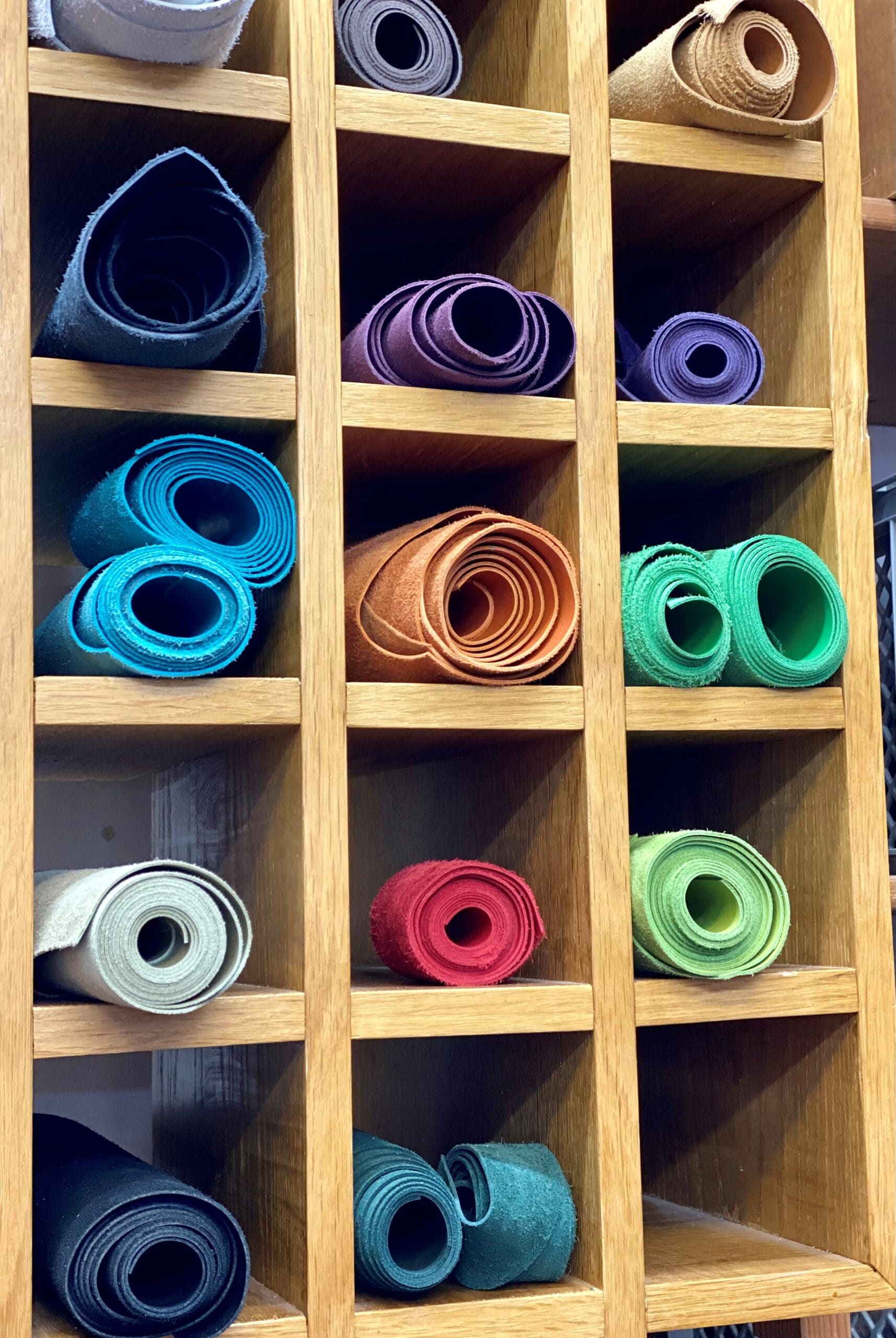
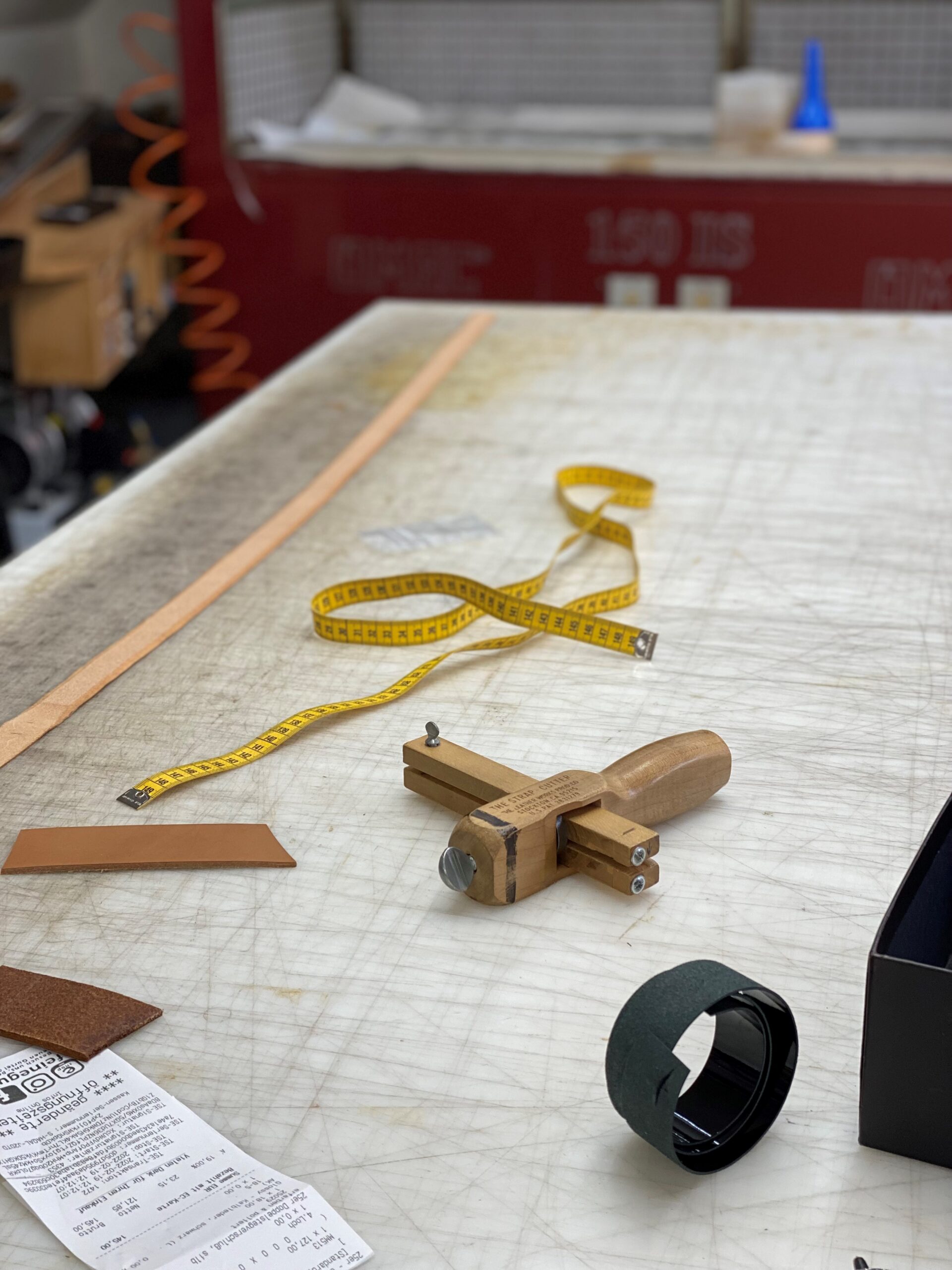
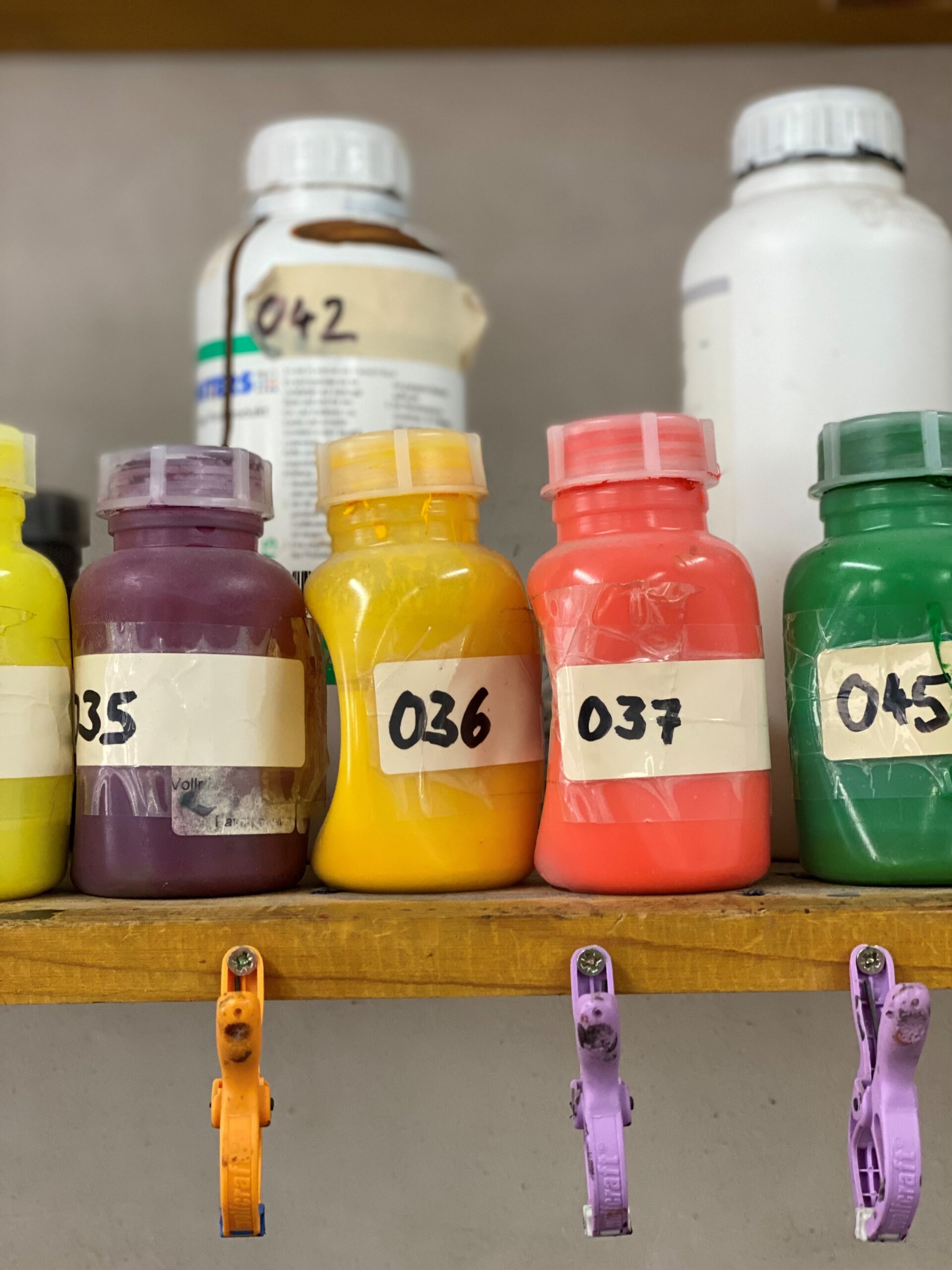
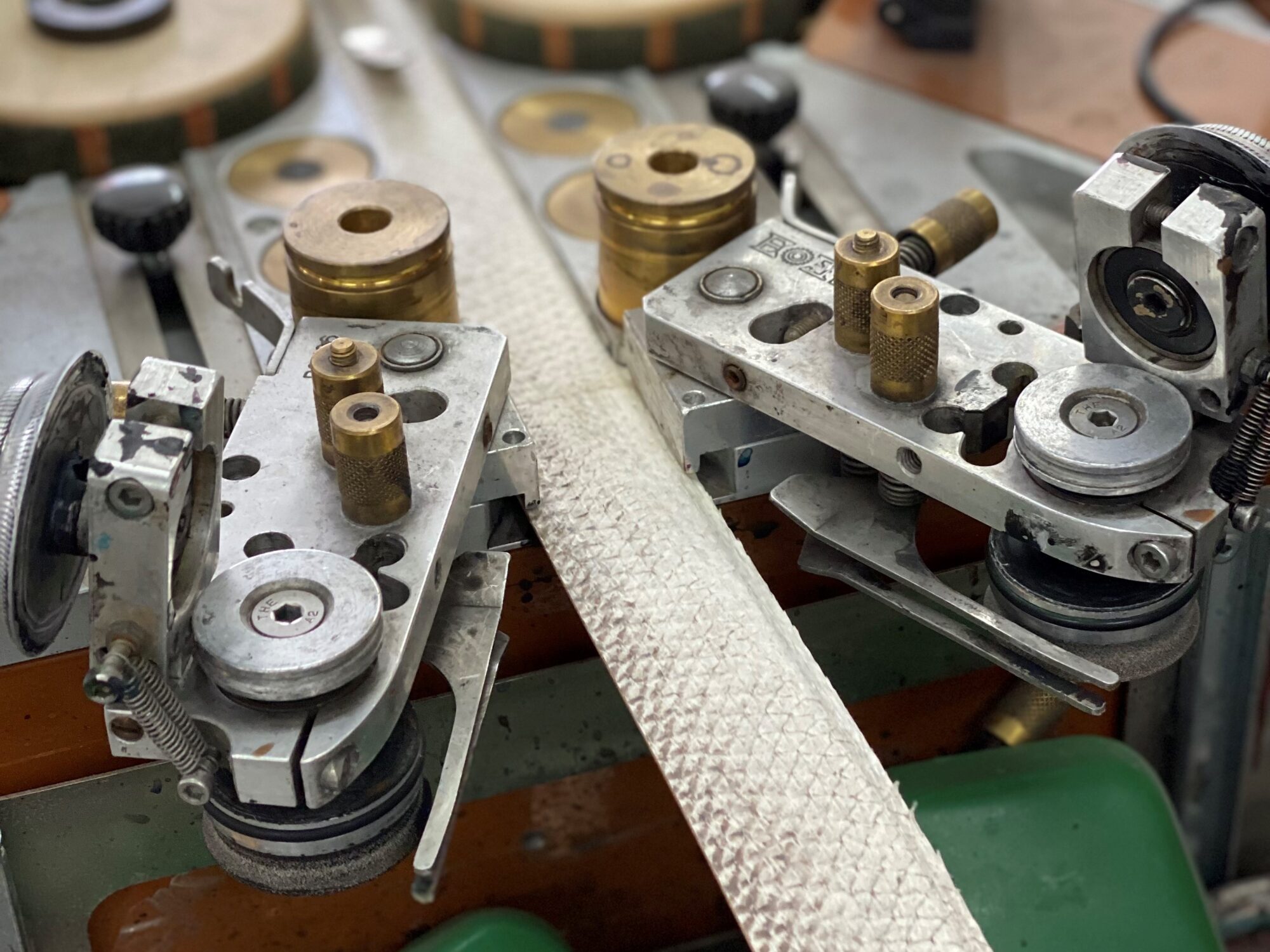
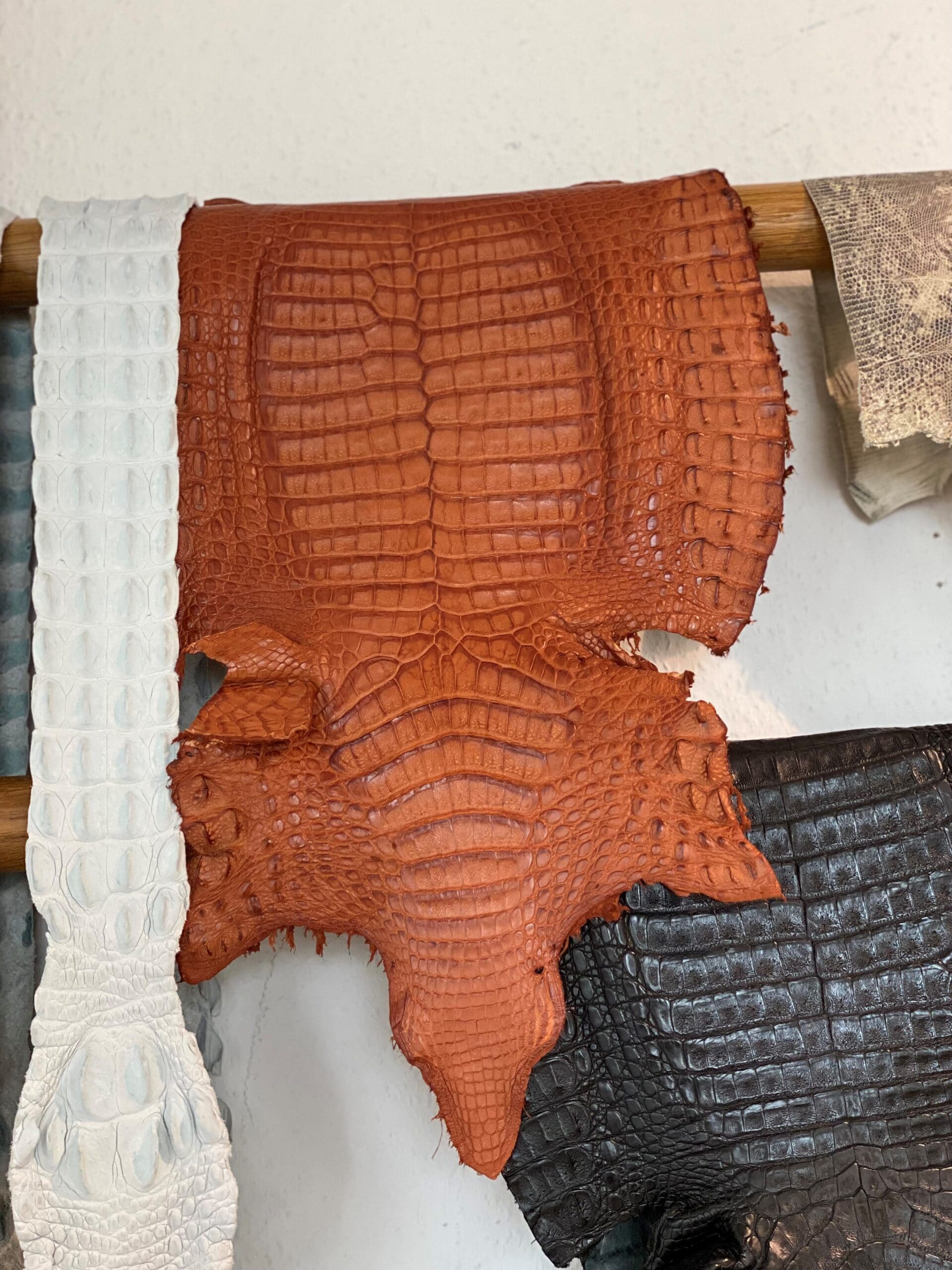
The workshop has been significantly expanded since 2003, and the owner has invested in state-of-the-art technology. The selection of high-quality leathers ranges from cowhide, a component of every Mohrmann belt, to exclusive materials such as ostrich foot leather and hides from crocodiles and alligators. As Martin Mohrmann leads me up and down the stairs through the workshop, he explains that each type of leather places very specific demands on the belt maker. In his workshop, the leather is cut and glued, dyed and polished. Edges are smoothed in a complex process using a special machine from Italy, as well as by hand.
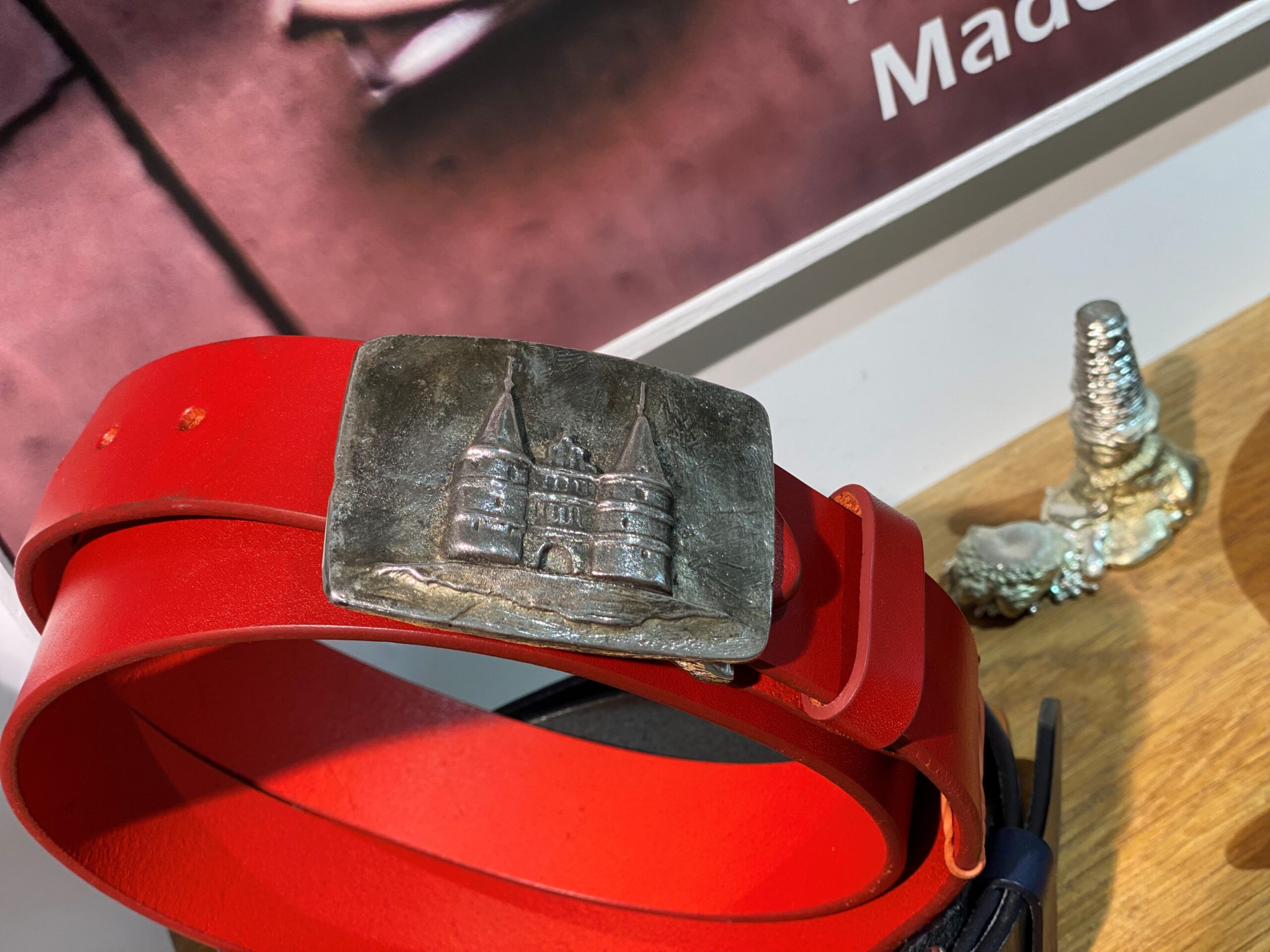
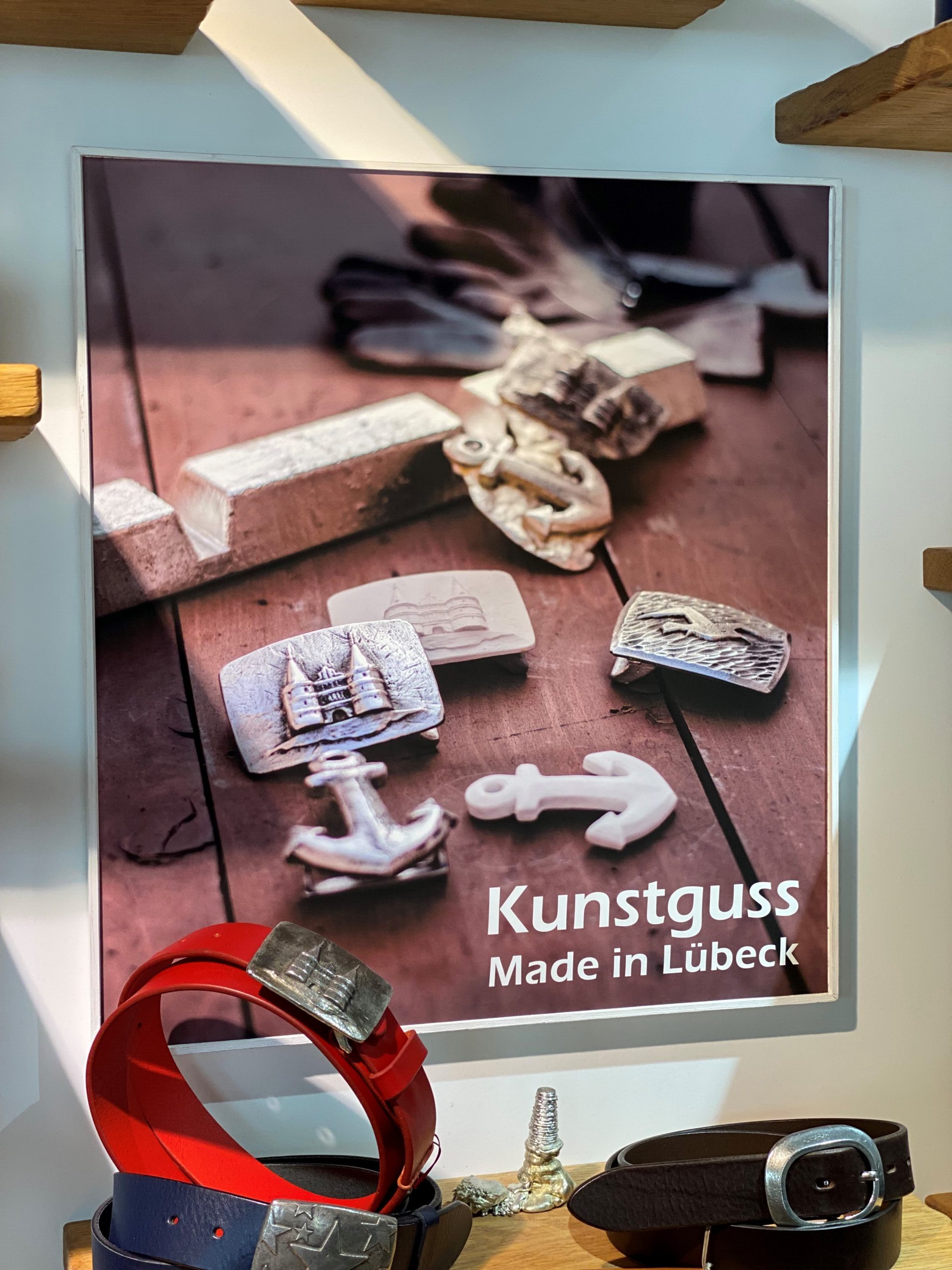
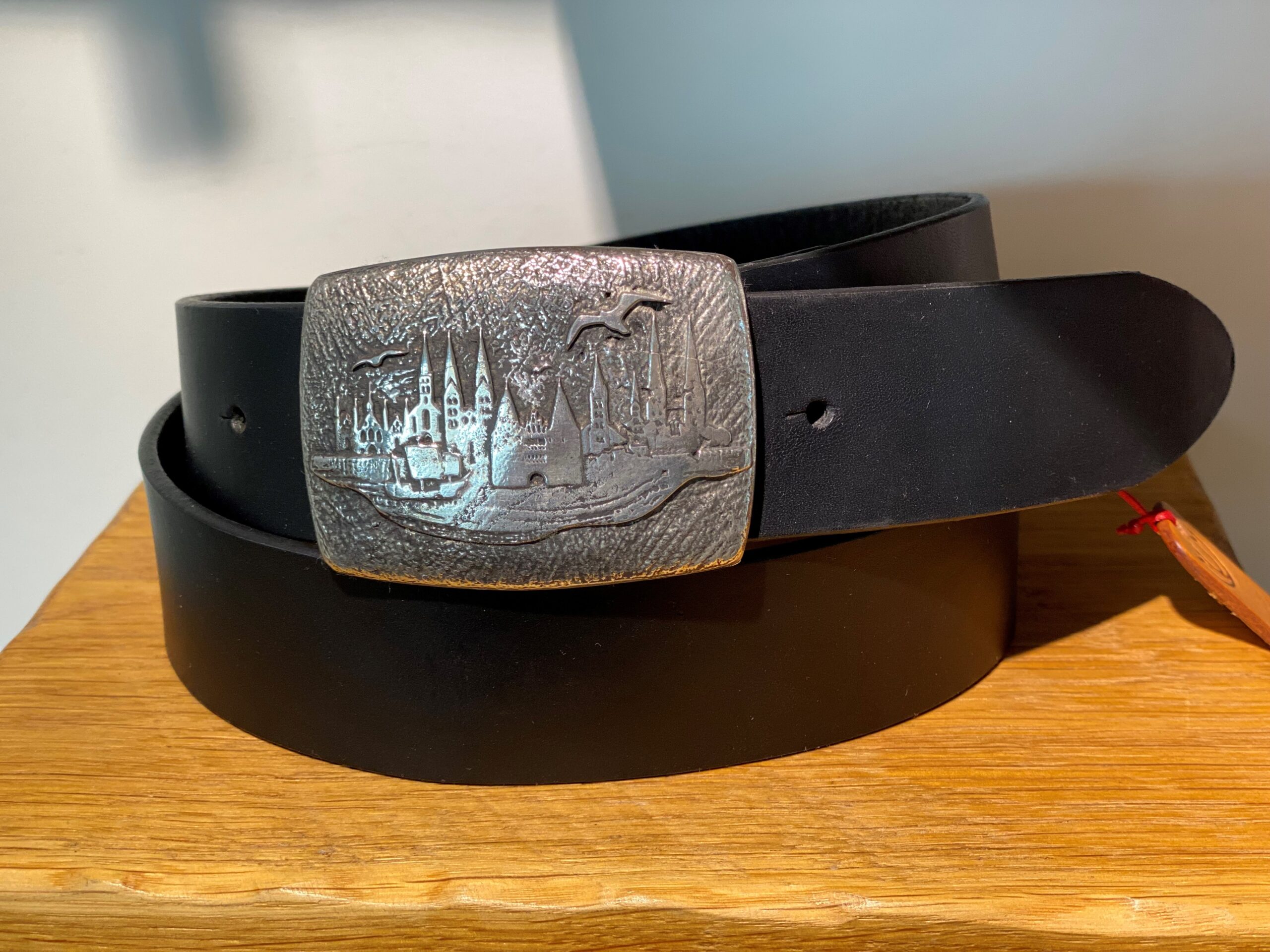
The Holsten Gate as a belt buckle
The shop smells wonderfully of leather. Here, only belts made in-house are offered. Four years ago, Martin Mohrmann began crafting buckles from recycled pewter. He designs the necessary models using a 3D printer. The buckles also undergo a multi-stage manufacturing process until the raw materials are transformed into magnificent buckles, available exclusively from the Mohrmann Belt Manufactory. Naturally, the Holsten Gate and the distinctive Lübeck skyline are featured on the belt buckles. The collection also includes simple buckles and maritime designs such as seagulls, anchors, and walruses.
Sustainable action
In recent years, Martin Mohrmann has increasingly focused on sustainable production. For example, he no longer sources ostrich foot leather from South Africa, but from ostrich farms in Germany. The ostriches are not bred specifically for leather production; the ostrich feet are therefore essentially a by-product from which the high-quality leather belts are made. On the company website, customers can use a CO2 calculator in the online shop to determine the emissions released during the production process of a belt. Interested customers can also access background information on sustainability in leather production and processing there.
Martin Mohrmann engagiert sich auch über sein eigenes Unternehmen hinaus für Umwelt- und Klimaschutzprojekte. Seine jüngste Initiative ist die Anschaffung eines Lastenrads vom Typ Muli-Cycle für den emissionsfreien Transport in Lübeck und Umgebung. Mehr dazu gibt es in Kürze unter https://veload.de/ zu lesen.
A belt from the Mohrmann manufactory lasts for many years. An investment in quality that pays off. And should you ever tire of a belt buckle, you can always melt it down and choose a new design.
Als Lübecker Bürger bin ich natürlich täglich mit einem Ledergürtel von Mohrmann
unterwegs.
Mit diesen Zeilen geht es aber um ein anderes Thema ………..
Da ich mich derzeit mit meiner Hamburger Familiengeschichte beschäftige und der Name Dr. Mohrmann in meiner Familie wichtig war,, möchte ich Sie fragen, ob sie mit der Familie von Peter Heinrich Mohrmann, (geb. 1781 gest. 1837) verwandt sind.
MfG Manfred Grube